The 10-20-30 Workout Method: How to Use It in Training
Learn how the 10-20-30 workout method works, how to structure its intervals, and how to use it in your training with beginner-friendly examples and practical tips.

The 10-20-30 Workout Method: How to Use It in Your Training
Finding time to exercise consistently can be challenging, especially when you want to improve your running speed, endurance, and overall fitness without spending hours training. The 10-20-30 workout method offers a structured approach to interval training that alternates between easy, moderate, and high-intensity efforts.
Originally developed and studied as a running-training concept, this method organizes exercise into short intervals that gradually increase in intensity. Instead of maintaining the same pace throughout a session, you move from a comfortable effort to a faster pace and then finish with a brief, near-maximal effort.
But how does the 10-20-30 workout method work? Is it suitable for beginners? And how can you fit it into your existing training schedule?
This guide explains the method, its potential benefits, how to perform the intervals, and how to build a sensible routine around it. You'll also learn how to adapt the workout to your current fitness level without making every session unnecessarily intense.
All Tools
What Is the 10-20-30 Workout Method?
The 10-20-30 workout method is an interval-training approach that divides a short exercise period into three different intensity levels:
- 30 seconds of low-intensity activity
- 20 seconds of moderate-intensity activity
- 10 seconds of high-intensity activity
These three stages make up one 60-second interval. The sequence is then repeated for multiple rounds, often with a recovery period between sets.
In the original running format, the intervals are commonly described as 30 seconds at a low speed, 20 seconds at a moderate speed, and 10 seconds at a high speed. The precise pace depends on the individual runner's fitness and ability.
For example, a recreational runner might jog comfortably for 30 seconds, increase to a faster but controlled pace for 20 seconds, and accelerate for the final 10 seconds.
The key is the change in intensity, not hitting a particular speed that applies to everyone.
How the 10-20-30 Sequence Works
| Interval | Duration | Intensity | Example for Running |
|---|---|---|---|
| First stage | 30 seconds | Low | Easy jog or comfortable run |
| Second stage | 20 seconds | Moderate | Brisk, controlled run |
| Third stage | 10 seconds | High | Fast acceleration or hard run |
The sequence totals one minute. Repeating it five times gives you five minutes of interval work, excluding any additional recovery periods.
Although the name can sound like a countdown, it is helpful to remember the sequence as 30 seconds easy, 20 seconds faster, and 10 seconds hardest.
The high-intensity stage should be challenging, but it does not need to be an all-out sprint—particularly if you're new to running or returning after a break.
Why Is the 10-20-30 Workout Method Popular?
One reason this workout attracts attention is its straightforward structure. You don't need to calculate complicated running distances or maintain a specific pace for several minutes at a time.
Instead, you change your effort according to a simple timer.
This can make the workout easier to organize on a running track, treadmill, park path, or another suitable training surface. It also allows runners to adjust the intensity according to their current abilities.
Other potential advantages include:
- A clear training structure: Each interval has a defined duration and intensity.
- Varied running effort: Alternating speeds breaks up the monotony of running at one pace.
- Flexible session length: You can adjust the number of rounds and sets to fit your training level.
- A way to practise faster running: Short, faster intervals let runners incorporate speed-focused work into their routine.
- Easy time-based tracking: A stopwatch or interval timer is usually enough to guide the session.
However, a short workout is not automatically an easy workout. The faster intervals can be demanding, and the overall training load depends on how hard you work, how many rounds you complete, and how well you recover.
It's also important to distinguish the original research-based running protocol from every workout that happens to use a 10-, 20-, and 30-second pattern. Similar timing can be applied to other exercises, but the evidence for one version should not automatically be assumed to apply to all variations.
The Science Behind the 10-20-30 Workout
The 10-20-30 method is built around a familiar exercise principle: varying intensity can provide a different training stimulus from exercising at a constant pace.
During easy running, you can generally maintain a conversation and recover from harder efforts. Moderate running requires more concentration and breathing effort. Fast running increases the demand on your cardiovascular and muscular systems.
Moving between these effort levels creates a session that combines lower-intensity running with short bursts of faster work.
Research on the 10-20-30 concept has examined its effects on recreational runners, including aspects of running performance and health-related measures. The results have helped make the protocol a topic of interest in running and interval-training discussions.
Nevertheless, research findings depend on the participants, training schedule, comparison group, and duration of the programme. A particular study does not guarantee that every person will experience the same improvements.
Does the Method Improve Running Performance?
It may help improve running performance when used consistently as part of an appropriate training programme.
The faster intervals give you opportunities to practise running at higher speeds, while the easier portions help you continue moving without sustaining the hardest effort throughout the entire session.
However, performance improvements depend on several factors, including:
- Your starting fitness and running experience.
- The intensity and total volume of the workout.
- How often you train.
- Your recovery, sleep, and nutrition.
- The balance between interval sessions and easier training days.
- Water calculator
- Leg Raises
- Macro calculator
- Leg Raises
The method should not replace every other type of running. Easy aerobic runs, gradual increases in training volume, and recovery remain valuable parts of a well-rounded running programme.
Is the 10-20-30 Method the Same as HIIT?
The 10-20-30 workout method has characteristics of interval training and can be performed as a high-intensity interval workout, depending on how the hard intervals are executed.
However, the terms are not interchangeable in every situation.
High-intensity interval training (HIIT) is a broad category of training that alternates harder exercise efforts with recovery or lower-intensity periods. HIIT workouts can use many different interval lengths and exercise formats.
The 10-20-30 method is a more specific structure, using 30 seconds at low intensity, 20 seconds at moderate intensity, and 10 seconds at high intensity.
In other words, the 10-20-30 method is one particular way to structure interval training, rather than a universal formula for every HIIT session.
What Are the Potential Benefits of the 10-20-30 Workout Method?
The potential benefits depend on how you use the method and what your training programme looks like overall. For runners, the main attraction is the opportunity to combine different running intensities in a structured session.
1. It Introduces Variety Into Your Running Routine
Running at a constant pace can become repetitive. The 10-20-30 sequence provides a simple way to vary your effort without changing the route or calculating different running distances.
The repeated transitions also give each minute a clear purpose: settle into an easy pace, increase the effort, and finish with a short faster interval.
This variation may make some runners more interested in their training, although enjoyment is individual. If you prefer steady running, you do not need to replace it entirely.
2. It Gives You a Structured Way to Practise Faster Running
The 10-second high-intensity stage gives you a short opportunity to accelerate.
For runners who usually train at one comfortable pace, this can introduce a controlled element of faster running. Over time, appropriately planned speed work may support running performance.
The goal is not to reach your maximum possible speed during every interval. Aim for a fast, controlled effort that matches your experience and allows you to maintain sound running mechanics.
Beginners can start with a brisk run rather than a sprint.
3. It Can Make Training Time Easier to Plan
Because the intervals are time-based, you can estimate the duration of the main workout before you start.
For example, five consecutive 60-second cycles equal five minutes of interval work. If you repeat that block after a recovery period, you can calculate the total training time easily.
Remember that your full session should also include a warm-up, any planned recovery periods, and a cool-down.
The method can therefore make scheduling more straightforward, but it should not be treated as a guarantee of a complete or effective workout in just a few minutes.
4. It Allows Intensity to Be Adjusted to Your Ability
The interval structure is fixed, but your actual running speed does not have to be.
A beginner may walk or jog during the low-intensity portion, move into a brisk jog during the moderate portion, and run faster for the final 10 seconds. A more experienced runner may use three distinct running speeds.
This flexibility makes the structure adaptable, but the hardest interval should still be appropriate for your current conditioning.
You can also reduce the number of rounds, take longer recovery periods, or use a less demanding version when needed.
5. It Can Complement a Broader Fitness Plan
When programmed appropriately, the 10-20-30 method can complement other types of running and conditioning.
For example, a recreational runner might combine one interval session with easy running and a longer comfortable run during the week. A person who does other sports may use it as one component of a broader cardiovascular training plan.
The important point is balance. Adding intense intervals on top of an already demanding schedule can increase fatigue and leave less time for recovery.
A well-designed plan should account for your experience, goals, and other physical activities rather than treating this workout as a requirement for everyone.
Who Should Try the 10-20-30 Workout Method?
The method may suit runners who want a straightforward way to introduce changes in pace into their training.
It may be particularly relevant to:
- Recreational runners: People who already run regularly and want a structured interval session.
- Runners looking to practise speed changes: Those who want to add short, faster efforts to their routine.
- Time-conscious exercisers: People who prefer workouts with a clearly defined structure.
- Experienced beginners: People who have established a comfortable running base and are ready to introduce modest intensity changes.
The method is not automatically suitable for every fitness level, however.
Is It Suitable for Complete Beginners?
If you are new to exercise, have not run recently, or currently struggle to jog comfortably for several minutes, start with easy walking and jogging before attempting hard intervals.
A beginner-friendly version could involve:
- Walking comfortably for 30 seconds.
- Moving into a brisk walk or gentle jog for 20 seconds.
- Increasing to a faster but controlled walk or jog for 10 seconds.
Repeat only a small number of rounds at first, and stop if you experience pain, dizziness, unusual breathlessness, or other concerning symptoms.
As your fitness improves, you can gradually increase the intensity or number of rounds. You do not need to sprint to benefit from building a consistent exercise habit.
If you have a chronic health condition, significant joint problems, or concerns about whether vigorous exercise is appropriate for you, consult a qualified healthcare professional before starting intense interval training.
Can Experienced Runners Use It?
Experienced runners may use the method as one component of a broader training plan.
Depending on their goals, they might adjust the faster intervals, total number of rounds, recovery duration, or weekly placement of the workout. These changes should be planned carefully so that the session complements rather than disrupts other training.
A runner preparing for a specific event may also need training that more directly matches the demands of that event. The 10-20-30 method can be a useful option, but it is not a substitute for every form of speed, threshold, or endurance training.
The main takeaway: The 10-20-30 workout method offers a simple way to structure changes in running intensity. Its value depends less on following a timer perfectly and more on choosing an appropriate effort, progressing gradually, and fitting the workout into a balanced training plan.
How to Do the 10-20-30 Workout Method Step by Step
Understanding the interval sequence is the first step. To use the 10-20-30 workout method effectively, you also need to choose appropriate running intensities, warm up properly, and decide how many rounds to complete.
The following steps provide a practical starting point.
Step 1: Warm Up for 5–10 Minutes
Avoid starting your first interval at high intensity when your muscles are cold.
Begin with five to ten minutes of comfortable walking or easy jogging, adjusting the duration to your fitness level and the conditions.
You can also include a few minutes of dynamic movements, such as:
- Gentle leg swings.
- Controlled walking lunges.
- Ankle movements.
- Easy marching or skipping.
- A few relaxed accelerations if you already have running experience.
Your warm-up should gradually increase your breathing and body temperature without making you tired.
If you're training outdoors, choose a flat, predictable route with enough space to accelerate and slow down safely.
Step 2: Run Easily for 30 Seconds
Start the first part of the sequence at a comfortable, low intensity.
For an experienced runner, this might be a relaxed jog. If you're a beginner, it could be brisk walking or a very easy jog.
You should feel as though you could maintain this effort for an extended period.
Your goal: Recover from the previous hard effort, settle into a comfortable rhythm, and prepare to increase your pace.
Avoid turning this stage into a race. The easier portion helps create contrast between the three intensity levels.
Step 3: Increase Your Pace for 20 Seconds
After the first 30 seconds, move into a moderate effort for 20 seconds.
Run faster than you did during the easy stage, but remain in control. Your breathing should become more noticeable, and speaking may be less comfortable, but you should not feel as though you're sprinting.
For beginners, a brisk walk or gentle jog may be sufficient.
Your goal: Increase your effort without sacrificing running technique.
Keep your shoulders relaxed, look ahead, and allow your arms to move naturally. Avoid suddenly taking exaggerated strides to increase speed.
Step 4: Run Fast for 10 Seconds
For the final 10 seconds, increase your effort again.
This is the hardest part of the sequence, but it does not need to be an all-out sprint. Choose an intensity that suits your experience and allows you to maintain control.
More experienced runners may use a fast acceleration. Beginners can simply increase their walking or jogging speed.
Your goal: Produce a short, challenging effort while maintaining stable movement and good technique.
If you feel sharp pain, lose control of your stride, or become unusually breathless, stop the hard effort and recover.
Step 5: Repeat the 60-Second Sequence
Once you finish the 10-second fast interval, return to the easy stage and begin another cycle.
The full sequence is:
30 seconds easy → 20 seconds moderate → 10 seconds fast
Repeat the sequence for the number of rounds appropriate to your training level.
For example, five cycles equal five minutes of continuous interval work. You can then recover before starting another block if your programme calls for it.
Step 6: Recover Between Sets
In commonly used versions of the 10-20-30 running protocol, a block of five consecutive 60-second intervals is followed by a recovery period before another block begins.
One practical starting point is to walk or jog easily for about two minutes between blocks, adjusting the recovery according to your fitness and how quickly your breathing settles.
Recovery should prepare you for the next set rather than become another hard interval.
If you cannot recover sufficiently to maintain controlled movement, reduce the number of rounds, lower the intensity, or take additional recovery time.
Step 7: Cool Down for 5 Minutes
Finish with five minutes of easy walking or very gentle jogging.
Allow your breathing and heart rate to settle gradually. You can follow this with comfortable mobility exercises if they feel helpful.
Stretching is optional; it is not necessary to force a deep stretch immediately after the workout.
The cool-down also gives you a chance to assess how you feel. Make a note of your effort, how well you recovered, and whether you experienced any discomfort.
Sample 10-20-30 Workout Plans
The best workout depends on your starting fitness, running experience, and training goals. Rather than beginning with the hardest version, select a session you can complete with good technique and reasonable recovery.
The following examples are practical starting points, not mandatory protocols. They adapt the core interval structure for different abilities.
1. Beginner-Friendly 10-20-30 Workout
If you're new to running or returning after a long break, start with a reduced-intensity version.
| Workout Stage | Duration | Instructions |
|---|---|---|
| Warm-up | 5–10 minutes | Comfortable walking |
| Easy interval | 30 seconds | Relaxed walking |
| Moderate interval | 20 seconds | Brisk walking or gentle jogging |
| Faster interval | 10 seconds | Faster but controlled walking or jogging |
| Repetitions | 3–5 cycles | Repeat the sequence as tolerated |
| Recovery | As needed | Walk until breathing settles |
| Cool-down | 5 minutes | Easy walking |
Estimated duration: Approximately 15–20 minutes, depending on recovery time.
Start with three cycles if you're unsure how you'll respond. You can gradually work toward five cycles when the session feels manageable.
For complete beginners, it is also perfectly reasonable to spend several weeks building a walking routine before introducing faster efforts.
The priority is developing consistency, not completing a particular number of intervals.
2. Standard 10-20-30 Running Workout
Runners with an established base may prefer a session that follows the familiar five-cycle structure.
| Workout Stage | Duration | Instructions |
|---|---|---|
| Warm-up | 5–10 minutes | Easy jog and dynamic movements |
| Interval block | 5 minutes | Complete five 30-20-10 cycles |
| Recovery | About 2 minutes | Walk or jog easily |
| Additional blocks | Based on fitness | Repeat if appropriate |
| Cool-down | 5 minutes | Easy jog or walk |
A common research-associated format uses several five-minute blocks, with recovery between blocks. The exact number of blocks should reflect the specific protocol you're following and your current ability.
If you are new to interval training, one block may be enough for your first session. More experienced runners may tolerate additional blocks, but there is no need to increase the volume simply to make the workout harder.
3. Time-Conscious Workout
If you have limited time, you can create a short session by completing a small number of cycles after warming up.
For example:
- Warm up for five to ten minutes.
- Complete five 60-second cycles.
- Walk easily for two minutes.
- Cool down for five minutes.
This gives you five minutes of interval work, plus recovery and preparation.
The short format can be useful when you're learning the sequence or introducing interval training into a busy schedule. However, a shorter workout should not be confused with the complete protocol used in a particular research study.
4. Workout for More Experienced Runners
Runners who already perform interval training may use multiple blocks of five cycles.
An example session structure is:
- Warm up for 10 minutes.
- Complete five 30-20-10 cycles.
- Recover with easy walking or jogging.
- Repeat the block if your training plan calls for it.
- Cool down for five to ten minutes.
Keep the faster intervals controlled. Experienced runners may be able to run at a higher speed, but the workout should still fit their weekly training load.
If you're training for a race, consider where this session belongs in relation to your long run, threshold training, and other demanding workouts.
Important: These sample sessions are adaptable examples. They are not all identical to the original research protocol, and they should not be treated as a replacement for an individualized training plan.
How to Adjust the 10-20-30 Workout to Your Fitness Level
The 10-20-30 structure is based on time, but you can change the effort and total workload to suit your ability.
If You're a Beginner
Start with lower-intensity movement and fewer rounds.
Useful adjustments include:
- Walking instead of running during the easy stage.
- Using a brisk walk for the moderate stage.
- Increasing speed only slightly during the final 10 seconds.
- Completing three cycles instead of five.
- Taking longer recovery periods.
- Scheduling the workout on a day when you feel rested.
Avoid comparing your speed with someone else's. The important thing is the difference between your easy, moderate, and harder efforts.
If You're an Intermediate Runner
If you already run comfortably several times per week, begin with a manageable number of cycles and gradually increase the number of blocks when recovery is good.
You can also pay attention to the quality of your movement during the final 10 seconds.
Try to maintain a relaxed upper body, controlled foot placement, and a smooth increase in pace. If your technique deteriorates significantly, the effort may be too intense.
If You're an Advanced Runner
Experienced runners may be able to tolerate more interval volume or faster efforts, but progression should still be deliberate.
Consider the workout's purpose before increasing its difficulty. If you're trying to improve speed, you may benefit from focused speed sessions. If you're preparing for a long-distance race, the 10-20-30 workout should complement rather than replace endurance training.
You can also adjust the number of blocks according to your wider training plan, rather than automatically adding more rounds each week.
How Often Should You Do the 10-20-30 Workout?
For many recreational runners, one interval session per week is a sensible starting point when introducing this method.
The right frequency depends on your experience, current workload, recovery, and the intensity of the session.
Beginners should first establish a comfortable exercise routine. If you're already running regularly, one weekly session may be enough to introduce faster efforts while keeping most of your training relatively easy.
More experienced runners may incorporate additional quality sessions, but those sessions should be planned around recovery and the demands of their training programme.
Example Weekly Schedule for Recreational Runners
Here's one possible schedule for a runner who already tolerates several sessions per week.
| Day | Training | Purpose |
|---|---|---|
| Monday | Rest or gentle walking | Recovery |
| Tuesday | 10-20-30 workout | Interval training |
| Wednesday | Easy run or rest | Aerobic activity and recovery |
| Thursday | Easy run | Build running consistency |
| Friday | Rest or light mobility | Recovery |
| Saturday | Comfortable longer run | Develop endurance |
| Sunday | Rest or easy activity | Recover before the next week |
This is an example, not a universal prescription. If you're a beginner, you may need fewer running days and more recovery. If you already follow a structured training plan, fit the workout into that plan rather than adding it on top without adjustments.
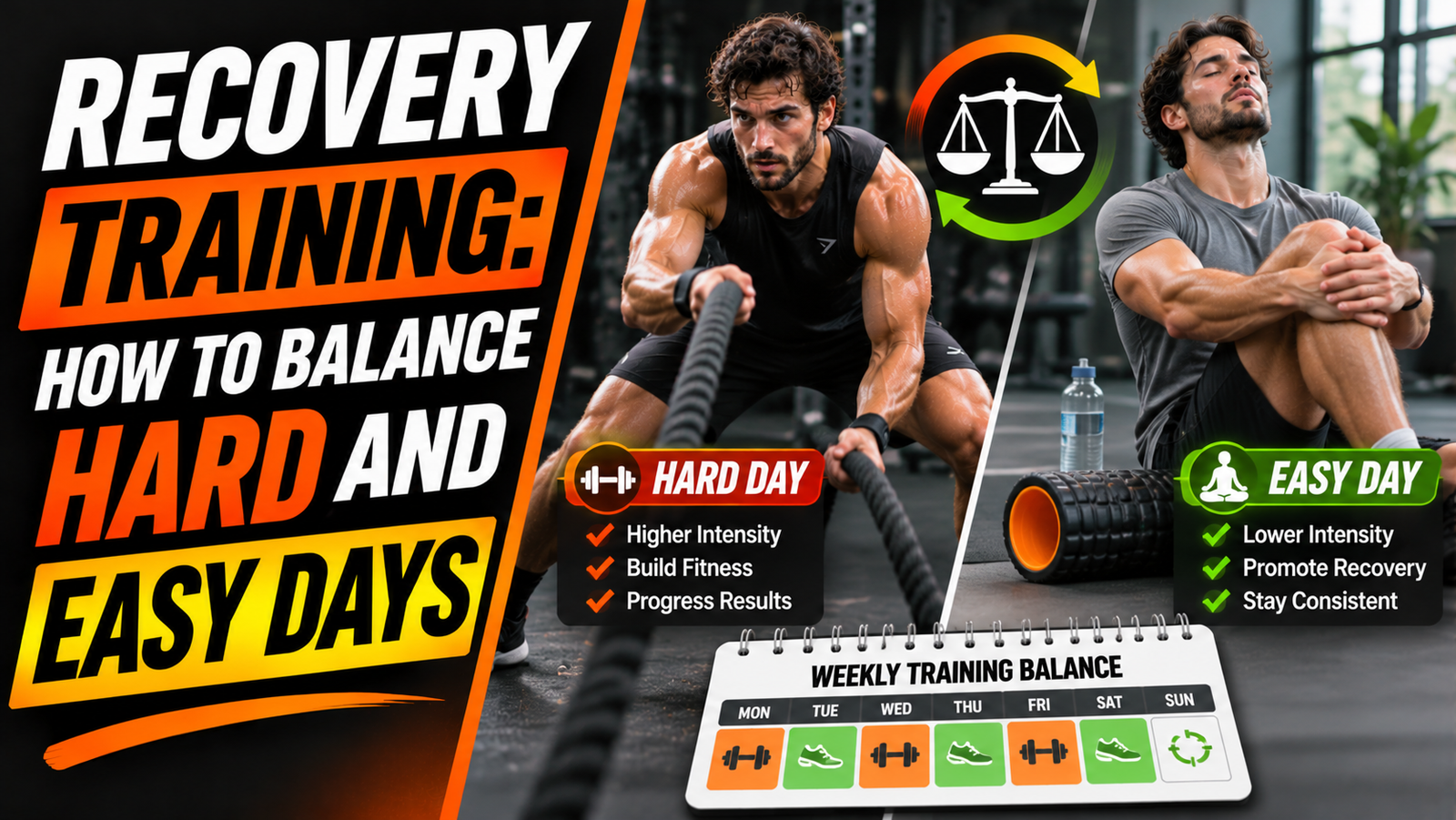
The central principle is to balance harder sessions with easier days.
Common Mistakes to Avoid
Although the 10-20-30 method has a simple structure, several mistakes can make it harder to perform safely and consistently.
Mistake 1: Sprinting at Maximum Effort Every Time
The final 10 seconds should be the hardest portion of the cycle, but maximum-effort sprinting is not necessary for everyone.
Going all-out can make it difficult to maintain technique and recover for subsequent rounds.
Better approach: Increase your speed progressively and finish at a challenging but controlled effort.
Mistake 2: Running Too Fast During the Moderate Stage
If the 20-second stage is nearly as hard as the final 10 seconds, there may be little difference between the two efforts.
This can make the entire workout more demanding than intended.
Better approach: Keep the moderate stage controlled, leaving room for a clear increase in effort during the final interval.
Mistake 3: Skipping the Warm-Up
Starting hard intervals without preparing your body can make the transition into fast running unnecessarily abrupt.
Better approach: Begin with easy walking or jogging and gradually increase your effort before the main workout.
Mistake 4: Doing Too Many Rounds Too Soon
Completing more cycles does not automatically produce better results.
Excessive training volume can leave you fatigued and interfere with other workouts.
Better approach: Begin with a manageable number of cycles and increase the workload only when your current session feels sustainable.
Mistake 5: Ignoring Recovery
If you schedule hard sessions too close together, you may struggle to maintain performance or recover adequately.
Better approach: Include easier days and pay attention to persistent fatigue, declining performance, and soreness that does not improve.
Mistake 6: Using the Same Intensity Regardless of Conditions
Heat, humidity, hills, poor sleep, and fatigue can all affect how hard a workout feels.
This is particularly relevant when running outdoors in hot or humid Indian weather.
Better approach: Adjust your speed to the conditions, train during cooler parts of the day when practical, and reduce intensity if the environment makes the session unusually demanding.
Mistake 7: Expecting Immediate Results
One interval session is unlikely to transform your running performance.
Training adaptations develop through repeated, appropriate exercise combined with adequate recovery.
Better approach: Track your consistency and how the workout feels over several weeks instead of judging success by a single session.
How to Track Your Progress
You do not need advanced equipment to monitor a 10-20-30 workout. A stopwatch or interval timer can help you follow the sequence accurately.
A simple training log can record:
- The date of your session.
- The number of cycles and blocks completed.
- Your perceived effort.
- How much recovery you needed.
- Any discomfort or unusual fatigue.
- How you felt later that day and the following day.
You can also note whether you maintained controlled running mechanics during the faster intervals.
If you use a running watch, pace and heart-rate data may provide additional context. However, heart rate takes time to respond to changes in intensity, especially during short intervals. It should not be your only guide for judging the effort of a 10-second burst.
A useful sign of progress is being able to complete your planned workout with more consistent effort and better control—not necessarily running every interval faster.
How to Fit the 10-20-30 Method Into Your Existing Training
Before adding the workout, look at what you already do each week.
If most of your running is easy, a short interval session may introduce a new training stimulus. If you already perform demanding speed work, hill repeats, or other intense conditioning sessions, the 10-20-30 method may be better used as an alternative to one of those sessions rather than an additional hard workout.
A practical approach is to:
- Identify your main training goal.
- Choose one day for interval work.
- Keep the surrounding sessions relatively easy when possible.
- Begin with a manageable number of cycles.
- Review your recovery before increasing the workload.
For general fitness, the method can complement other aerobic activities, resistance training, and regular daily movement.
For race preparation, it should be considered alongside the event's specific demands. Short, fast intervals can have a place in a running programme, but they do not fully replace longer aerobic sessions or other targeted training.
The key is to use the 10-20-30 workout as one part of a balanced routine—not as a shortcut that replaces every other form of exercise.
How to Adapt the 10-20-30 Workout for Different Training Environments
One advantage of the 10-20-30 workout method is that it can be adapted to different environments. You can perform the running version outdoors, on a treadmill, or on a suitable indoor track.
However, each setting has practical considerations that can affect your speed, comfort, and safety.
1. Using the 10-20-30 Method Outdoors
Outdoor running is a natural fit for this training method because you can change your pace according to the interval timer.
Choose a relatively flat, even route with enough space to accelerate without encountering pedestrians, traffic, or other obstacles.
Keep these points in mind:
- Choose a predictable surface: Avoid routes with potholes, loose gravel, or sudden changes in elevation.
- Control your acceleration: Build speed smoothly rather than making an abrupt sprint.
- Account for weather: Reduce intensity in hot or humid conditions.
- Stay aware of your surroundings: Avoid staring at your watch when approaching crossings or other hazards.
- Adjust for hills: Uphill and downhill sections can change the effort required, even when your pace stays the same.
In India, early morning or evening may be more comfortable than running during the hottest part of the day. Check local weather conditions and adjust your session if heat or humidity makes vigorous exercise difficult.
2. Using the 10-20-30 Method on a Treadmill
A treadmill can make it easier to control running speed and follow a consistent interval structure.
You can use the treadmill's timer or a separate interval timer to guide each stage.
A few precautions are important:
- Begin with a comfortable walking or jogging speed.
- Increase the speed gradually before the faster interval.
- Choose speeds that allow you to maintain a stable stride.
- Allow enough time to slow down between faster efforts.
- Avoid jumping onto the side rails while the belt is moving.
- Do not select a speed that requires you to sprint beyond your current ability.
Treadmills differ in how quickly their belts accelerate and decelerate. Because the 10-second interval is short, sudden speed changes may not be practical on every machine.
A useful alternative: Rather than trying to reach a high speed immediately, choose three manageable treadmill speeds and use the 30-, 20-, and 10-second intervals to move between them. The changes in intensity matter more than achieving a particular speed.
If the machine cannot change speeds quickly and safely, use a steady treadmill speed with controlled changes in effort only if the machine and your technique allow it. Otherwise, choose a different training format.
3. Can You Use the Method for Cycling or Other Exercises?
The timing structure can be adapted to cycling, stationary biking, or some other forms of cardio.
For example, on a stationary bike, you might pedal easily for 30 seconds, increase your effort for 20 seconds, and pedal hard for 10 seconds.
However, adapting the timing does not mean every version has the same training effects as the original running protocol. Running, cycling, and other exercises place different demands on your muscles and cardiovascular system.
If your goal is to improve running performance, prioritise running-specific training. If your goal is general cardiovascular fitness, a cycling variation may be a useful alternative, provided you can perform the effort safely.
Avoid adapting the method to exercises that become difficult to control when fatigue sets in, particularly movements that require complex technique or substantial external loads.
Is the 10-20-30 Workout Method Safe?
For many healthy adults, appropriately scaled interval training can be part of a balanced exercise routine. However, the 10-20-30 method includes faster efforts that may be demanding, particularly for people who are new to exercise.
Safety depends on your fitness level, running experience, health status, exercise environment, and the intensity of your intervals.
Start With an Appropriate Intensity
If you have not been running regularly, begin with comfortable walking and jogging rather than attempting repeated sprints.
Build your exercise routine gradually before introducing harder intervals. You should be able to complete the session without losing control of your movement or needing excessive recovery after every round.
Pay Attention to Warning Signs
Stop exercising if you experience symptoms such as:
- Chest pain or pressure.
- Faintness or severe dizziness.
- Unusual or severe shortness of breath.
- A racing or irregular heartbeat accompanied by concerning symptoms.
- Sudden or sharp joint or muscle pain.
Seek urgent medical care for potentially serious symptoms, particularly chest pain, fainting, or severe breathing difficulty.
Normal exertion can make you breathe harder, but you should not ignore symptoms that feel unusual or disproportionate to your effort.
Consider Your Health and Injury History
If you have a cardiovascular or other chronic health condition, are recovering from an injury, or are unsure whether vigorous exercise is appropriate for you, consult a qualified healthcare professional before starting.
Runners returning after an injury may need to establish comfortable, pain-free running before adding short, fast efforts.
Also, avoid increasing interval intensity, total running volume, and training frequency all at once. Making one adjustment at a time makes it easier to understand how your body responds.
A Four-Week Introduction Plan for the 10-20-30 Workout Method
If you already run comfortably, a gradual four-week introduction can help you learn the structure and evaluate your recovery.
The following is an illustrative progression for recreational runners who have established a basic running routine. It is not a validated universal prescription or a substitute for the original research protocol. Complete beginners may need a longer preparation period, starting with walking and easy jogging.
| Week | Suggested Session | Main Objective |
|---|---|---|
| Week 1 | One short session with 3–5 cycles | Learn the timing and control your effort |
| Week 2 | One session with 5 cycles, repeating the block only if appropriate | Improve consistency |
| Week 3 | One or two sessions only if you already tolerate regular running and recover well | Introduce or maintain training variety |
| Week 4 | Repeat a manageable session and review your progress | Assess effort, consistency, and recovery |
Week 1: Learn the Intervals
Focus on understanding the sequence:
- 30 seconds easy.
- 20 seconds moderate.
- 10 seconds faster.
Complete three to five cycles, depending on your ability. Use walking or gentle jogging during the first two stages if needed.
You do not need to run at maximum effort during the final 10 seconds.
Success measure: You finish the session feeling that the effort was manageable and that you could recover adequately.
Week 2: Establish a Consistent Session
If you recovered well after Week 1, repeat the workout with five cycles.
You may use the same intensity as before. The goal is to make the session more familiar, not necessarily harder.
If your technique deteriorated, you experienced unusual fatigue, or you were still struggling to recover, repeat the easier version instead.
Success measure: You can complete the planned cycles with a clear difference between easy, moderate, and fast efforts.
Week 3: Build Carefully
If you already have a consistent running routine and are recovering well, you may choose to repeat the session or add another block, with appropriate recovery between blocks.
Do not increase your workload simply because the calendar says it is Week 3.
If you are new to running, one short interval session may remain sufficient. You can continue improving through regular easy exercise without adding more high-intensity work.
Success measure: Your training remains manageable, and the interval session does not interfere with your other activities.
Week 4: Review Your Progress
Repeat a session that you can perform comfortably and compare it with your first week.
Ask yourself:
- BMI calculator
- Calorie calculator
- Macro calculator
- Protein calculator
- Body fat calculator
- Water calculator
- Ideal weight calculator
- One rep max calculator
- Can I follow the intervals without losing track of time?
- Can I distinguish the three intensity levels?
- Do I maintain better control during the faster efforts?
- How quickly does my breathing settle during recovery?
- Do I feel ready for my next planned workout?
You do not have to increase your speed or the number of intervals to make progress.
Being able to complete the same workout with better control and a more consistent effort can be a worthwhile sign that you are adapting to the routine.
Remember: This four-week plan is a flexible introduction, not a guarantee of specific improvements. Adjust it to your fitness, recovery, and other training commitments.
How Does the 10-20-30 Method Compare With Traditional Interval Training?
Traditional interval training includes many formats, from short repetitions with generous recovery to longer, sustained efforts at challenging intensities.
The 10-20-30 method uses a distinctive sequence of easy, moderate, and hard running within each minute.
| Feature | 10-20-30 Method | Other Interval Workouts |
|---|---|---|
| Structure | 30 seconds easy, 20 seconds moderate, 10 seconds fast | Varies by workout |
| Interval length | One-minute cycle | Can range from seconds to several minutes |
| Intensity pattern | Three stages within each cycle | May alternate between hard and easy efforts |
| Equipment | Timer or stopwatch; suitable running space | Depends on the workout |
| Flexibility | Pace and total volume can be adjusted | Pace, duration, recovery, and volume can be adjusted |
| Best use | A structured way to vary running intensity | Depends on the specific workout and training goal |
Neither approach is automatically better for everyone.
The 10-20-30 method may appeal to people who prefer a simple, repeatable structure. Other interval formats may be more suitable when training for a particular race distance or targeting a specific performance goal.
Your training history and objectives should determine which format you choose.
How to Get the Most From the 10-20-30 Workout Method
The workout is simple, but using it effectively requires more than following a timer.
Keep these principles in mind:
1. Prioritise consistency over intensity. A manageable session that you can repeat regularly is more useful than a workout that leaves you too exhausted to train again.
2. Keep easy running easy. The 30-second stage should provide a genuine contrast with the harder intervals.
3. Progress gradually. Increase the number of cycles or blocks only when your current workload feels manageable.
4. Make recovery part of your plan. Sleep, nutrition, hydration, and easier training days all contribute to your ability to recover.
5. Match the workout to your goal. A recreational runner, a beginner seeking better fitness, and an experienced athlete preparing for a race may need different training plans.
6. Adapt to your environment. Heat, humidity, terrain, and treadmill limitations can all influence how you perform the intervals.
7. Review how you feel. Use your effort level, technique, and recovery to guide adjustments rather than relying on speed alone.
The most effective training plan is not necessarily the most complicated one. It is the one that matches your ability, supports your goals, and allows you to keep exercising consistently.
Key Takeaways
The 10-20-30 workout method is a time-based interval-training approach that uses three levels of intensity within each 60-second cycle.
Here are the most important points to remember:
- The sequence is 30 seconds of easy activity, 20 seconds of moderate activity, and 10 seconds of high-intensity activity.
- The original format is associated with running training, although similar timing structures can be adapted to other exercises.
- The faster interval should be challenging but appropriate for your fitness and experience.
- A warm-up, suitable recovery, and cool-down help you organise the session.
- Beginners should start with lower-intensity movement and a manageable number of cycles.
- One weekly interval session is a reasonable starting point for many recreational runners who already run regularly.
- Recovery and overall training balance matter as much as the workout itself.
- Results vary according to training history, consistency, intensity, and other lifestyle factors.
You do not need to run at an elite pace to use the method. Start with an appropriate effort, learn the sequence, and build gradually as your fitness develops.
Frequently Asked Questions About the 10-20-30 Workout Method
1. What is the 10-20-30 workout method?
The 10-20-30 workout method is an interval-training approach in which you exercise at low intensity for 30 seconds, moderate intensity for 20 seconds, and high intensity for 10 seconds. These stages form a 60-second cycle that can be repeated for multiple rounds.
2. How do you perform a 10-20-30 running workout?
Warm up with easy walking or jogging. Then run comfortably for 30 seconds, increase to a moderate pace for 20 seconds, and finish with a faster 10-second effort. Repeat the cycle according to your training plan, recover between sets when appropriate, and finish with a cool-down.
3. Is the 10-20-30 workout method suitable for beginners?
It can be adapted for beginners, but complete beginners should first establish a comfortable walking or jogging routine. Start with lower-intensity efforts and fewer cycles. You do not need to sprint, and you should increase the difficulty gradually.
4. How long does a 10-20-30 workout take?
One 30-20-10 cycle lasts 60 seconds. Five consecutive cycles therefore take five minutes, excluding any additional recovery. The full workout takes longer when you include a warm-up, recovery between blocks, and a cool-down.
5. How often should you do the 10-20-30 workout?
For many recreational runners, one session per week is a reasonable starting point when introducing interval training. The appropriate frequency depends on your experience, overall workload, and recovery. More frequent sessions may not be necessary, particularly if you already perform other intense workouts.
6. Can the 10-20-30 method help improve running performance?
It may support running performance by introducing structured changes in pace and short, faster efforts. However, results vary, and the workout should complement other training rather than replace all easy running, endurance work, or event-specific preparation.
7. Is the 10-20-30 workout the same as HIIT?
Not exactly. HIIT is a broad category of interval training that includes many different work and recovery structures. The 10-20-30 method is a more specific format using 30 seconds at low intensity, 20 seconds at moderate intensity, and 10 seconds at high intensity.
8. Can you do the 10-20-30 workout on a treadmill?
Yes. Use a treadmill that allows you to adjust speed safely and choose three manageable effort levels. Because treadmill belts may take time to accelerate, avoid sudden changes that could make the short, fast interval unsafe.
9. Do you need special equipment for the 10-20-30 workout?
No special equipment is required for outdoor running. A stopwatch or interval timer is usually enough. A treadmill or running watch can also help, but neither is essential.
10. Should the 10-second interval be an all-out sprint?
No. The final 10 seconds should be the hardest stage of the cycle, but an all-out sprint is not necessary for everyone. Choose a fast, controlled effort that suits your experience and allows you to maintain good technique.
Conclusion: Is the 10-20-30 Workout Method Worth Trying?
The 10-20-30 workout method offers a straightforward way to introduce changes in running intensity without relying on complicated pace calculations or distance-based intervals.
Its structure is easy to remember: 30 seconds easy, 20 seconds moderate, and 10 seconds fast. Repeating this cycle creates a session that combines comfortable movement with short bursts of harder effort.
For recreational runners, the method can be a useful addition to a balanced training routine. However, it is not a magic shortcut to better fitness, and it should not replace every other form of exercise.
Start with an intensity that matches your current ability, warm up properly, and allow sufficient recovery between demanding sessions. If you are new to exercise, build your walking and jogging routine before progressing to faster intervals.
Most importantly, measure success by consistency, control, and how well the workout fits into your overall routine—not simply by how fast you can run.
Ready to try the 10-20-30 workout method? Start with a short, manageable session, record how you feel, and adjust the workload as your fitness develops. Explore related running and fitness guides on our blog to build a balanced training routine.
Stop reading, start moving
Reading about training is the easy part. Fifteen minutes today beats a fortnight of research - and all of it is free.
Start Free