Incline Walking Workout: Speed, Incline and Duration for Beginners
Learn how to start an incline walking workout with beginner-friendly treadmill speeds, incline levels, workout durations, sample routines, and safety tips.
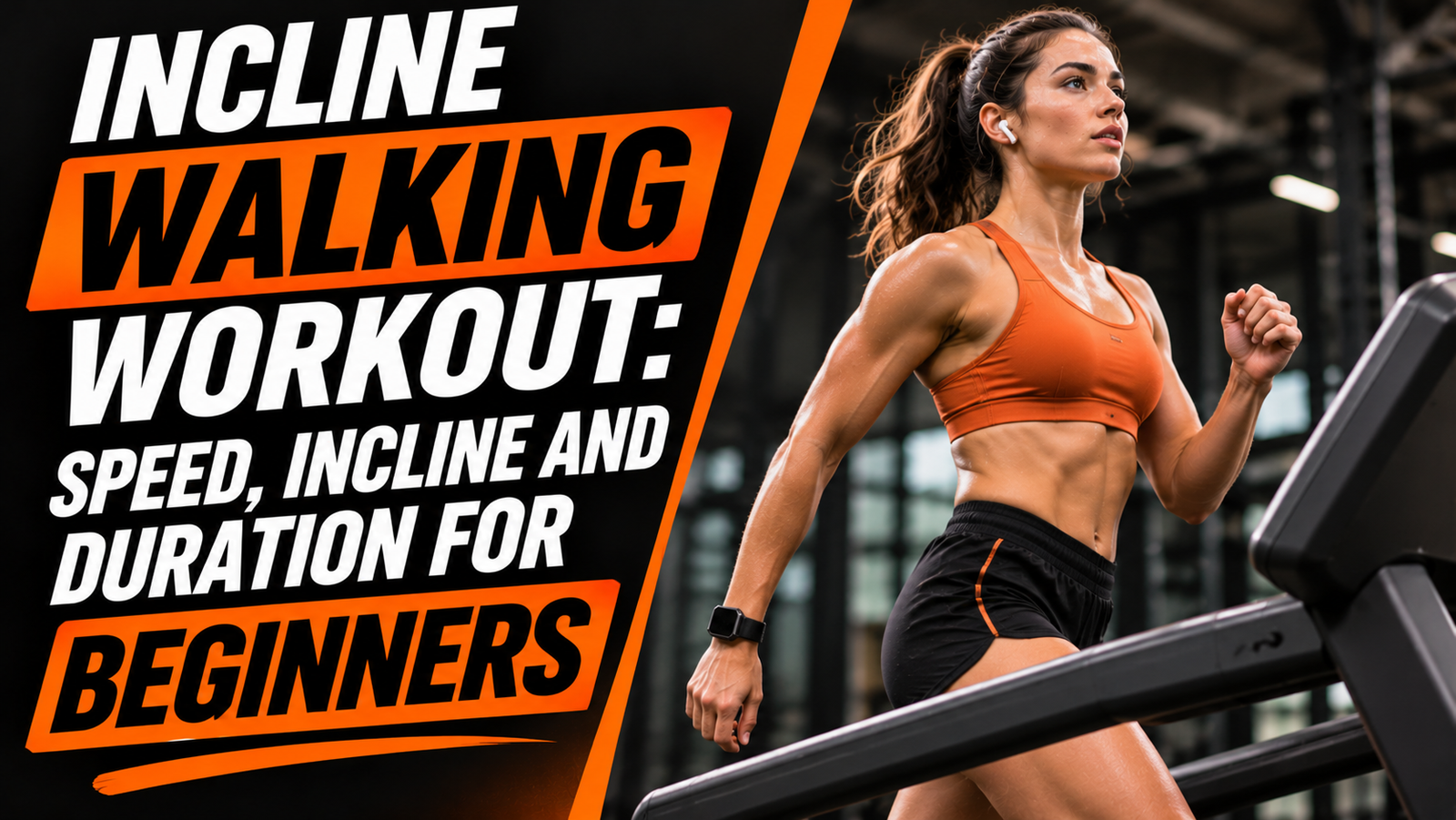
Incline Walking Workout: Speed, Incline and Duration for Beginners
An incline walking workout is a simple way to make treadmill walking more challenging without needing to run. By raising the treadmill's incline, you change the demands of walking and encourage your body to work harder than it might on a flat surface.
For beginners, however, knowing where to start can be confusing. Should you walk at 3 km/h or 5 km/h? Is a 5% incline enough? How long should your workout last? And do you need to follow a demanding treadmill routine to see results?
The good news is that you can begin with a comfortable walking speed, a gentle incline, and a short workout. As your fitness improves, you can gradually adjust one variable at a time.
In this guide, you'll learn how to choose your treadmill speed, select an appropriate incline, determine your workout duration, and follow a beginner-friendly incline walking plan. You'll also discover common mistakes to avoid and practical ways to make your routine more consistent.
All Tools
What Is an Incline Walking Workout?
An incline walking workout involves walking on an uphill surface or a treadmill with its incline setting raised above zero.
On a treadmill, the incline is commonly displayed as a percentage. A setting of 0% represents a level belt, while a setting of 5% means the belt rises by approximately 5 units vertically for every 100 units of horizontal distance.
You do not need to run to benefit from this type of workout. Walking uphill increases the physical demand of the activity, even when you maintain a moderate pace.
For beginners, an incline walking workout can be a useful way to build walking endurance and add variety to a fitness routine.
How Is Incline Walking Different From Flat Walking?
Flat walking takes place on a level surface, while incline walking requires you to move uphill.
The incline changes how your body works during each step. Depending on the slope and your walking speed, uphill walking generally increases the effort required from your cardiovascular system and the muscles involved in moving and stabilising your body.
| Feature | Flat Walking | Incline Walking |
|---|---|---|
| Treadmill incline | Usually 0% | Above 0% |
| Exercise intensity | Often lower at the same speed | Usually higher at the same speed |
| Muscle demands | Works the legs and supporting muscles | Can increase demands on the glutes and calf muscles |
| Beginner suitability | Generally easy to adjust | Suitable when incline and speed are progressed gradually |
| Workout flexibility | Speed and duration can be adjusted | Speed, incline, and duration can be adjusted |
| Equipment | Treadmill or outdoor path | Incline treadmill or an uphill walking route |
The key difference is the added uphill demand. A steep incline is not automatically better, however. The most suitable setting is one that challenges you without making you lose your walking posture or feel unable to maintain a controlled pace.
Benefits of an Incline Walking Workout
Incline walking can be a practical addition to a balanced fitness routine. Its benefits depend on factors such as your starting fitness level, walking speed, incline, workout duration, and consistency.
1. Supports Cardiovascular Fitness
Walking is a form of aerobic physical activity. Adding an incline can increase the effort required to maintain your pace, making the workout more demanding than walking on a level treadmill.
With regular training, appropriately challenging walking sessions can help you build aerobic endurance.
Beginners should start at a manageable intensity and increase the challenge gradually rather than attempting a steep incline immediately.
2. Increases Workout Intensity Without Running
Not everyone enjoys running or feels ready for high-impact exercise.
Incline walking offers a way to make walking more challenging while keeping one foot in contact with the walking surface during each step.
Although walking is generally lower impact than running, incline walking can still place considerable demands on the calves, Achilles tendons, knees, and hips. Choose a setting that feels comfortable for your current ability.
3. Challenges the Lower-Body Muscles
Walking uphill changes the demands placed on your lower body.
Depending on the incline and your technique, the workout can increase the contribution of muscles such as:
- Gluteal muscles: Help extend the hips as you move uphill.
- Calf muscles: Contribute to pushing your body forward during each step.
- Quadriceps: Help control and produce movement around the knees.
- Hamstrings: Assist with hip and knee movement.
- Core muscles: Help maintain trunk stability while walking.
Incline walking does not isolate these muscles, and it is not a replacement for a complete strength-training programme. However, it can complement other exercises that develop lower-body strength and endurance.
4. Can Increase Energy Expenditure
Walking uphill generally requires more energy than walking on a flat surface at the same speed.
The amount of energy you use depends on your body weight, pace, incline, duration, and individual physiology.
For people working toward weight management goals, incline walking can contribute to overall physical activity. However, it does not guarantee weight loss or specifically burn fat from the abdomen, thighs, or any other body area.
Long-term weight changes depend on several factors, including overall energy intake, activity levels, sleep, health, and consistency.
5. Offers Flexible Workout Options
One of the main advantages of treadmill incline walking is how easily you can adjust the workout.
You can change:
- Walking speed
- Incline percentage
- Total workout duration
- Length of warm-up and cool-down
- Time spent at easier and harder intensities
- BMI calculator
- Calorie calculator
- One rep max calculator
- Upper Body Starter
For example, a beginner might start with a short session at 0–2% incline, while a more experienced walker may alternate between flat walking and moderate uphill intervals.
This flexibility makes it easier to adapt the routine to your fitness level and available time.
6. Can Make Walking More Engaging
Repeating the same workout can become monotonous.
Alternating between flat walking and gentle inclines can provide variety without requiring complicated equipment or exercise techniques.
You can also vary your walking duration, use a comfortable playlist, or follow a simple interval routine to make treadmill sessions more engaging.
Choose variations that help you stay consistent rather than making every workout difficult.
Is Incline Walking Good for Beginners?
Yes. Incline walking can be appropriate for beginners when the speed, incline, and duration are matched to their current fitness and increased gradually.
You do not need to begin at a high incline to make the workout worthwhile.
If you are new to treadmill exercise, start with level walking or a gentle incline. Focus on walking comfortably, maintaining balance, and breathing steadily before increasing the difficulty.
Who May Benefit From Incline Walking?
An appropriately adjusted incline walking workout may suit people who want to:
- BMI calculator
- Calorie calculator
- One rep max calculator
- Upper Body Starter
- Establish a regular walking routine.
- Improve general aerobic fitness.
- Add variety to treadmill sessions.
- Make moderate-intensity walking more challenging.
- Complement a broader exercise programme.
- Gradually build walking endurance.
Who Should Take Extra Care?
Incline walking may require additional care if you have an injury, balance difficulties, significant joint discomfort, or a health condition that affects your ability to exercise.
A steep incline can place additional demands on the lower legs and feet. If you have persistent knee, hip, ankle, calf, or Achilles tendon pain, avoid pushing through it.
If you have a cardiovascular condition, have been advised to restrict exercise, or are unsure which intensity is appropriate for you, seek individual guidance from a qualified healthcare professional before starting a demanding programme.
Stop exercising and seek appropriate medical help if you develop concerning symptoms such as chest pain, faintness, or unusual severe breathlessness.
What You Need Before Starting
You do not need expensive equipment to begin incline walking, but a few basics can make your workout more comfortable.
A Treadmill With Adjustable Incline
A treadmill that allows you to adjust both speed and incline makes it easy to follow a structured plan.
If your treadmill does not have an incline feature, you can walk outdoors on a suitable uphill route. Choose a surface that is stable, well-lit, and appropriate for your fitness level.
Comfortable Walking Shoes
Wear comfortable, secure footwear that suits your feet and provides appropriate support.
Your shoes should fit well without causing rubbing, numbness, or pressure points.
Water and a Manageable Workout Plan
Keep water available, particularly if you are exercising in a warm environment.
It can also help to decide on your workout duration and starting incline before you begin. This reduces the temptation to increase the difficulty too quickly once you start walking.
An Understanding of Your Treadmill Settings
Before starting, check how your treadmill displays speed and incline.
Speed may be shown in kilometres per hour (km/h) or miles per hour (mph), depending on the machine. This guide primarily uses km/h, which is commonly used on treadmills in India.
Incline is generally displayed as a percentage rather than an angle in degrees.
Always start the treadmill according to the manufacturer's instructions and familiarise yourself with its emergency stop feature.
Key Takeaway
An incline walking workout can help you make treadmill walking more challenging without running. For beginners, the most important starting points are a comfortable speed, a gentle incline, and a duration you can manage without excessive fatigue.
There is no single perfect setting for everyone. Your ideal workout should reflect your current fitness, comfort, and goals.
Best Treadmill Speed for an Incline Walking Workout
The best treadmill speed for an incline walking workout is one that allows you to walk steadily, maintain good posture, and breathe comfortably while handling the chosen incline.
There is no single speed that works for every beginner. Your ideal pace depends on your walking experience, fitness level, stride, and the steepness of the treadmill.
For many beginners, a starting speed of approximately 3–4 km/h can be a reasonable option. Some people may need to start more slowly, while others can comfortably walk faster.
Beginner Treadmill Speed Guide
The following ranges are starting points, not strict fitness standards.
| Fitness Level | Suggested Walking Speed | Recommended Approach |
|---|---|---|
| New to treadmill walking | 2–3 km/h | Begin with comfortable, level walking |
| Beginner | 3–4 km/h | Introduce a gentle incline if comfortable |
| Comfortable recreational walker | 4–5 km/h | Adjust the incline to maintain manageable effort |
| Experienced walker | 5 km/h or more | Use only a pace that allows controlled walking and safe technique |
These ranges are illustrative. Your comfortable speed may fall outside them, and a faster pace is not automatically better.
How to Find Your Starting Speed
Use the following approach when beginning a treadmill workout.
Step 1: Start slowly. Set the treadmill to a comfortable walking pace, such as 2–3 km/h, if that suits your ability.
Step 2: Walk on a level surface. Begin at 0% incline and give yourself time to get used to the moving belt.
Step 3: Increase speed gradually. If your balance and walking pattern feel comfortable, increase the speed in small increments.
Step 4: Introduce a gentle incline. Once you are comfortable walking at your selected speed, try a small incline, such as 1–2%.
Step 5: Reassess your effort. If you are struggling to maintain a controlled stride or cannot speak comfortably, lower the speed, reduce the incline, or both.
You should not need to hold tightly onto the treadmill rails to maintain your position. If you do, reduce the difficulty until you can walk more naturally and safely.
What Is the Best Incline for Walking on a Treadmill?
For beginners, a treadmill incline of approximately 1–3% is a practical starting range if you can walk comfortably at that setting.
You can begin at 0% and introduce a small incline later. As your fitness and tolerance improve, you may gradually explore steeper settings.
Remember that incline increases the effort required to walk. A speed that feels easy on a level treadmill may feel substantially harder at a higher incline.
Beginner Treadmill Incline Guide
| Incline Setting | Relative Challenge | Suggested Use |
|---|---|---|
| 0% | Level walking | Warm-up, recovery, or learning treadmill technique |
| 1–2% | Gentle incline | A starting point for beginners who tolerate uphill walking |
| 3–5% | Moderate uphill challenge for many walkers | Gradual progression after comfortable sessions at lower inclines |
| 6–8% | More demanding | Consider only when you have developed sufficient walking tolerance |
| Above 8% | Potentially very demanding | Not necessary for most beginners starting an incline routine |
These categories are approximate. The actual difficulty depends on your speed, fitness, walking mechanics, and the treadmill itself.
Should Beginners Start at a 5% Incline?
Not necessarily.
A 5% incline can be manageable for some people but too demanding for others, especially when combined with a brisk walking speed.
If you are new to incline walking, begin at 0–2% and increase the setting only when you can maintain comfortable, controlled movement.
You can still have a useful workout at a gentle incline. You do not need to start at 5%, 10%, or another high setting to make progress.
Is a 12-3-30 Workout Suitable for Beginners?
The 12-3-30 workout is a popular treadmill routine involving a 12% incline, a speed of 3 miles per hour (approximately 4.8 km/h), and a duration of 30 minutes.
Although this routine is often discussed online, it may be too demanding for someone who is new to treadmill exercise.
A steep incline combined with a relatively brisk walking speed can place substantial demands on the cardiovascular system and lower-body muscles.
Beginners should not feel pressured to copy a popular workout before developing an appropriate fitness base.
Instead, begin with a gentler incline and shorter duration. Increase the challenge gradually as your ability improves.
How Long Should You Walk on an Incline Treadmill?
The ideal duration depends on your current fitness, the treadmill's incline, your speed, and your overall exercise routine.
If you are new to treadmill walking, starting with 10–15 minutes, including an easy warm-up and cool-down, can be a manageable approach.
As your tolerance improves, you can gradually extend your sessions.
Recommended Incline Walking Duration for Beginners
| Experience Level | Suggested Total Session | General Approach |
|---|---|---|
| New to exercise | 5–10 minutes | Use a comfortable pace and little or no incline |
| Beginner | 10–15 minutes | Include a short period of gentle incline walking if comfortable |
| Developing fitness | 15–25 minutes | Gradually extend the main walking period |
| Comfortable regular walker | 25–30 minutes or longer | Adjust duration and intensity to your goals and recovery |
These are practical examples rather than medically prescribed durations. You may need shorter sessions, particularly if you are returning to exercise after a break.
All Tools
- All Tools
- BMI calculator
- Wall Sit
- All workouts
- Ideal weight calculator
- Upper Body Starter
- Upper Body Starter
Start With a Warm-Up
Spend approximately 3–5 minutes walking at an easy pace on a level or nearly level treadmill.
The purpose of the warm-up is to help you transition into the workout gradually.
Avoid immediately setting the treadmill to a steep incline and brisk speed when your body is not yet accustomed to the effort.
Build Up the Main Walking Period
After warming up, introduce your selected incline.
For example, you might walk for 5–10 minutes at 1–2% incline, depending on your ability. If that feels too difficult, reduce the incline or return to level walking.
You can gradually increase the main walking period over subsequent sessions.
Finish With a Cool-Down
End the session with approximately 3–5 minutes of easier walking.
Reduce the speed and incline gradually so that your body can transition out of the more demanding part of the workout.
If you feel unusually dizzy or unwell, stop safely and seek appropriate help rather than continuing to meet a planned duration.
A Beginner-Friendly Incline Walking Workout
If you want a straightforward routine, the following example combines easy walking with a short period of gentle incline work.
Sample 15-Minute Treadmill Workout
Suitable for: Beginners who can comfortably walk on a treadmill.
| Phase | Duration | Speed | Incline |
|---|---|---|---|
| Warm-up | 3 minutes | 2–3 km/h, adjusted to comfort | 0% |
| Main walk | 3 minutes | Comfortable walking speed | 1% |
| Incline walk | 3 minutes | Same speed or slightly slower | 2% |
| Easier walk | 2 minutes | Comfortable pace | 0–1% |
| Cool-down | 4 minutes | Gradually reduce speed | 0% |
The speed values are examples, not requirements. Adjust them so you can walk naturally without gripping the handrails for support.
If a 2% incline feels too demanding, remain at 0–1%. You can gradually increase the incline in future sessions when you feel ready.
Why This Routine Works as a Starting Point
This example introduces the treadmill gradually instead of making the entire workout difficult.
It includes:
- An easy warm-up
- A short period of uphill walking
- A lower-intensity interval
- A gradual cool-down
The aim is to become familiar with incline walking and establish a repeatable routine—not to finish the workout exhausted.
A 20-Minute Incline Walking Workout
If you can already walk comfortably for approximately 15 minutes, you may be ready to try a slightly longer session.
Use the following routine only if its duration and incline are appropriate for your current ability.
| Phase | Duration | Incline | Intensity |
|---|---|---|---|
| Warm-up | 4 minutes | 0% | Easy |
| Incline interval 1 | 3 minutes | 1–2% | Comfortable |
| Level walking | 2 minutes | 0% | Easy |
| Incline interval 2 | 3 minutes | 2–3% | Moderate, if comfortable |
| Level walking | 3 minutes | 0% | Easy |
| Incline interval 3 | 2 minutes | 1–2% | Comfortable |
| Cool-down | 3 minutes | 0% | Easy |
Total: 20 minutes.
Choose a speed that allows you to maintain your walking technique. You do not need to increase the incline during every interval.
If you are unable to speak in short sentences, feel unstable, or experience unusual discomfort, reduce the intensity. You can also repeat the shorter 15-minute routine until it feels manageable.
Incline Walking Workout Plan for One Week
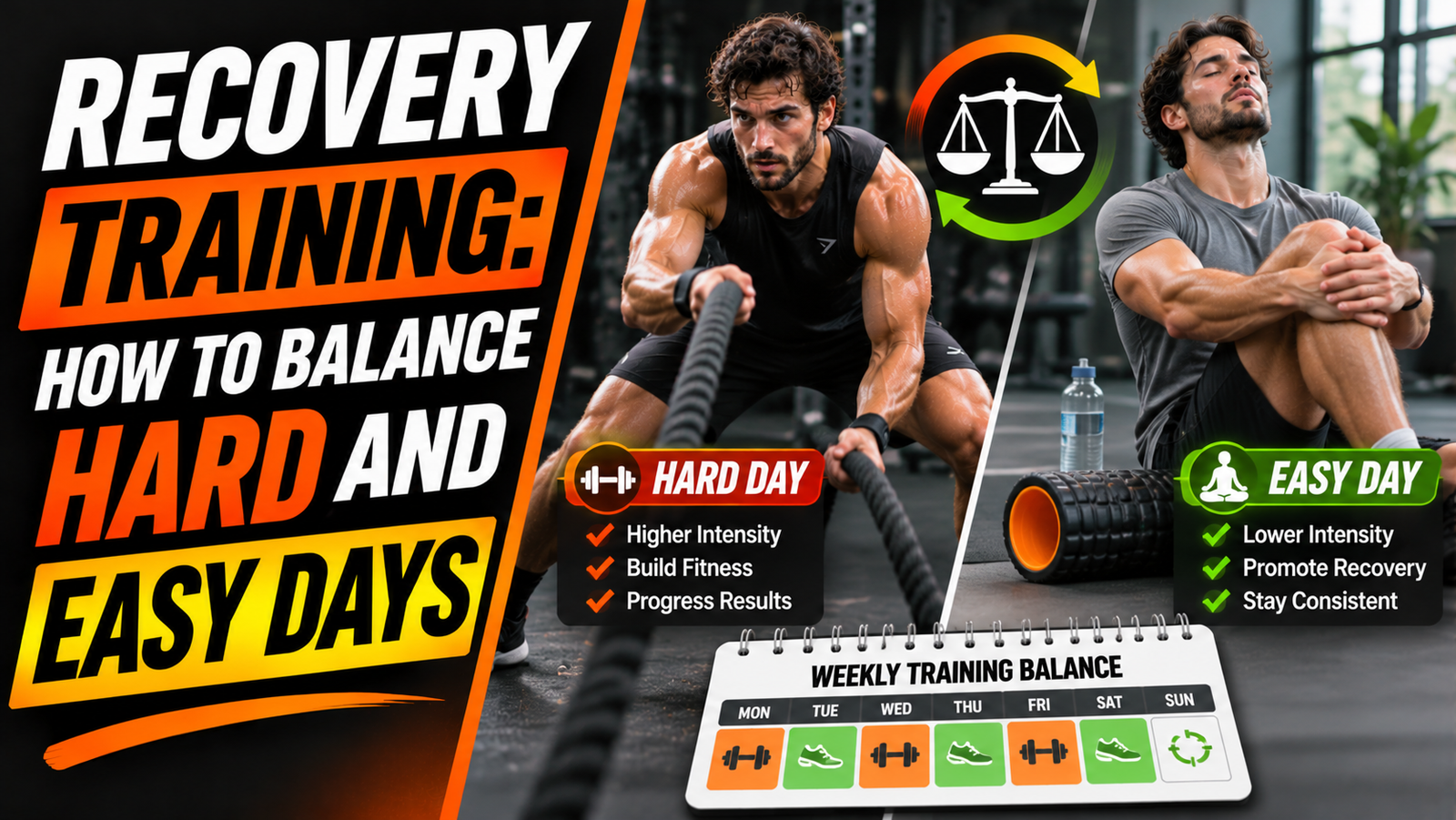
Consistency is more important than making every session difficult.
For beginners, two or three walking sessions per week can be a reasonable starting schedule, depending on current fitness, other physical activity, and recovery.
Here is an example of how you might organise your first week.
| Day | Activity | Duration | Intensity |
|---|---|---|---|
| Monday | Easy treadmill walk with a gentle incline | 10–15 minutes | Light to moderate |
| Tuesday | Rest or comfortable everyday walking | As comfortable | Easy |
| Wednesday | Beginner incline walking workout | 10–15 minutes | Light to moderate |
| Thursday | Rest or gentle activity | As comfortable | Easy |
| Friday | Flat walking with a short incline interval | 10–20 minutes | Based on ability |
| Saturday | Optional comfortable walk | 10–20 minutes | Easy |
| Sunday | Rest or gentle movement | As comfortable | Easy |
This is a flexible example, not a requirement to exercise on every listed day.
If you are completely new to exercise, two short sessions may be enough to begin. If you already walk regularly, you may be able to handle more activity.
Allow your body time to recover, particularly when introducing uphill walking for the first time.
How Often Should Beginners Do Incline Walking?
Start with a frequency you can maintain comfortably.
Two or three sessions per week may help you establish the habit without making every day a demanding workout.
As your tolerance improves, you can adjust your schedule to fit your goals and the rest of your exercise programme.
You do not need to perform incline walking daily, and you should not increase the frequency, duration, and incline sharply at the same time.
How to Progress Your Incline Walking Workout
Once your starting routine feels comfortable, you can gradually make it more challenging.
The most useful approach is to change one main variable at a time.
Option 1: Increase the Duration
If you currently walk for 10 minutes comfortably, try adding a few minutes to a future session.
You might progress to 12 or 15 minutes before attempting a much longer workout.
Option 2: Increase the Incline Slightly
If you can maintain good walking technique at 1–2% incline, you may gradually test a slightly higher setting.
Return to a lower incline if the new setting causes excessive fatigue or discomfort.
Option 3: Adjust Your Speed
A small increase in speed can make the workout more demanding, but it should not compromise your balance or walking mechanics.
You can also keep the speed constant and vary the incline instead.
Option 4: Introduce Gentle Intervals
Intervals involve alternating between different levels of effort.
For example, you could walk for two minutes on a level treadmill and then walk for one or two minutes at a gentle incline.
This gives you periods of lower-intensity walking between uphill intervals.
A Simple Progression Example
| Stage | Duration | Incline | Focus |
|---|---|---|---|
| Stage 1 | 10 minutes | 0–1% | Become comfortable with treadmill walking |
| Stage 2 | 10–15 minutes | 1–2% | Introduce a gentle incline |
| Stage 3 | 15–20 minutes | 1–3% | Build walking endurance |
| Stage 4 | 20–25 minutes | Adjust to ability | Maintain a repeatable routine |
Progress through these stages according to your ability, not a fixed deadline. You may need to spend several weeks at one stage before moving to the next.
If you experience persistent joint pain, unusual fatigue, or discomfort in your calves or Achilles tendons, reduce the incline and duration. Seek professional advice if symptoms persist.
How to Walk Properly on an Incline Treadmill
Good walking technique helps you maintain balance, manage effort, and make your incline walking workout more comfortable.
When the treadmill incline increases, you may naturally feel the urge to lean forward or hold tightly onto the handrails. Instead, aim to maintain a controlled, natural walking pattern and reduce the incline if you cannot do so comfortably.
1. Keep Your Upper Body Relaxed
Look ahead rather than constantly looking down at your feet.
Keep your shoulders relaxed and your arms moving naturally. Avoid shrugging your shoulders or creating unnecessary tension in your neck.
A slight forward inclination of your entire body may occur during uphill walking, but avoid bending excessively at the waist.
2. Maintain a Comfortable Stride
Take natural steps that match your walking speed.
You do not need to exaggerate your stride length to climb the incline. Overstriding can make your movement less comfortable and may increase braking forces when your foot lands.
If you find yourself taking awkward steps to keep up with the treadmill, lower the speed.
3. Avoid Hanging on the Handrails
Treadmill handrails are useful for mounting, dismounting, and maintaining balance when necessary.
However, continuously leaning on them to support your body weight can change your walking mechanics and reduce the demands of the workout.
If you need to grip the rails to maintain your position, reduce the speed or incline until you can walk safely.
People who require handrail support for balance should prioritise safety rather than trying to walk without assistance.
4. Breathe Naturally
Avoid holding your breath during uphill walking.
At a manageable intensity, you should generally be able to speak in short sentences. If you can only manage a few words because of breathlessness, lower the speed or incline.
Your breathing will naturally become faster as the workout gets more demanding, but it should remain appropriate for your fitness level.
5. Use the Treadmill Controls Carefully
Make small adjustments to the speed and incline instead of making sudden, large changes.
If you need to step off the treadmill, follow the manufacturer's instructions and use the safety features provided.
Do not jump onto the side rails while the belt is moving unless your treadmill's instructions specifically describe a safe procedure for doing so.
Remember: Proper technique should make the workout feel controlled, not effortless. You should feel challenged at an appropriate level without struggling to maintain balance or a natural walking pattern.
Common Incline Walking Mistakes to Avoid
Even though walking is a familiar activity, changing the treadmill incline can make it surprisingly demanding.
Avoiding these common mistakes can help you build a more sustainable routine.
Mistake 1: Starting With a Very High Incline
A steep incline may look impressive, but it is not necessary for beginners.
Starting too aggressively can make your calves, feet, and Achilles tendons work harder than they are accustomed to.
What to do instead: Begin at 0–2% incline and increase gradually when you can comfortably manage your current setting.
Mistake 2: Walking Too Fast
A brisk speed combined with a high incline can quickly become overwhelming.
If you are taking hurried steps, losing balance, or relying on the handrails, the treadmill may be set too fast.
What to do instead: Reduce the speed until you can maintain a comfortable stride and controlled breathing.
Mistake 3: Leaning Heavily on the Handrails
Holding the handrails for support may be necessary for some people, but leaning heavily on them throughout the workout can change your posture and how your body supports itself.
What to do instead: Reduce the incline or speed if you cannot walk comfortably without leaning on the rails. Use support whenever needed for safety.
Mistake 4: Skipping the Warm-Up
Going straight into a steep incline can create a sudden increase in effort.
What to do instead: Begin with a few minutes of easy walking on a level or nearly level treadmill before gradually increasing the difficulty.
Mistake 5: Increasing Every Variable at Once
Increasing your speed, incline, and duration simultaneously can make it difficult to judge whether your body is adapting comfortably.
What to do instead: Change one main variable at a time. For example, extend your session slightly while keeping the speed and incline unchanged.
Mistake 6: Treating Sweat as a Measure of Success
Sweating varies with temperature, humidity, clothing, individual physiology, and exercise intensity.
A workout does not have to leave you drenched in sweat to be useful.
What to do instead: Judge the workout by your effort, consistency, comfort, and progress rather than how much you sweat.
Mistake 7: Ignoring Pain or Excessive Fatigue
Mild muscle fatigue can occur during exercise, particularly when you are new to uphill walking.
However, persistent pain in the knees, feet, calves, hips, or Achilles tendons should not be ignored.
What to do instead: Reduce the incline or stop the session if something feels wrong. Seek professional guidance if symptoms persist or recur.
Is Incline Walking Better Than Flat Walking?
Neither incline walking nor flat walking is universally better. The more suitable option depends on your fitness, preferences, goals, and physical comfort.
Incline walking increases the effort required to move uphill, while flat walking may be easier to sustain for longer periods.
| Comparison | Flat Walking | Incline Walking |
|---|---|---|
| Exercise intensity | Often lower at the same speed | Usually higher at the same speed |
| Beginner suitability | Generally easy to start | Suitable when the incline is adjusted appropriately |
| Lower-body demands | Challenges the legs and supporting muscles | Can increase demands on the glutes and calves |
| Walking duration | May be easier to sustain for longer periods | Duration may need to be shorter at higher inclines |
| Progression options | Increase speed or duration | Adjust speed, duration, and incline |
| Recovery needs | Depends on duration and pace | May require more recovery when the incline is demanding |
Which Is Better for Weight Management?
Both flat walking and incline walking can contribute to overall physical activity and energy expenditure.
Incline walking generally requires more energy than flat walking at the same speed, but the actual difference varies according to the person and the workout.
Flat walking may allow you to exercise longer or more comfortably. Incline walking may suit you if you prefer shorter sessions with a greater challenge.
For weight management, the most useful option is one you can perform consistently alongside appropriate nutrition, recovery, and other physical activity.
Which Is Better for Beginners?
If you are completely new to exercise, flat walking is an excellent place to start.
Once you can walk comfortably, you can introduce a gentle incline for short intervals.
You do not have to choose only one type of walking. Alternating between flat and inclined walking can provide variety and help you adjust the workout to your energy levels.
Safety Tips for Your Incline Walking Workout
A good beginner routine should challenge you without pushing you beyond your current ability.
Use these precautions when planning your sessions.
Start With a Manageable Intensity
Do not feel pressured to match treadmill routines you see on social media.
A 1% incline at a comfortable speed may be a more suitable starting point than a steep incline at a brisk pace.
Build your workout around your current ability rather than an arbitrary target.
Stay Hydrated
Drink water regularly throughout the day and keep it available during your workout.
Your fluid needs depend on factors such as the temperature, humidity, duration of exercise, and how much you sweat.
In warm or humid conditions, pay particular attention to comfort and signs of overheating.
Wear Suitable Footwear
Choose shoes that fit comfortably and allow you to walk naturally.
If your shoes cause rubbing, numbness, or discomfort, address the issue before increasing your training duration.
Allow Time for Recovery
Your muscles and connective tissues may need time to adapt when you first introduce incline walking.
Start with a manageable number of sessions and adjust your schedule according to how you feel afterward.
If your legs remain unusually sore or fatigued, consider reducing the incline or taking an additional recovery day.
Listen to Your Body
Stop exercising if you experience chest pain, faintness, unusual severe breathlessness, or other concerning symptoms.
Seek urgent medical attention for potentially serious symptoms.
If you have a medical condition, are recovering from an injury, or have concerns about whether incline walking is appropriate for you, consult a qualified healthcare professional for personalised advice.
Frequently Asked Questions About Incline Walking Workouts
1. What is the best incline walking workout for beginners?
A beginner can start with a 10–15-minute session that includes an easy warm-up, a few minutes of walking at a gentle incline of approximately 1–2%, and a gradual cool-down. Adjust the speed and incline to your fitness level, and start with a shorter session if necessary.
2. What speed should beginners use for incline walking?
A speed of approximately 3–4 km/h can be a reasonable starting point for some beginners. Others may need to start at 2–3 km/h or slower. Choose a speed that allows you to walk steadily without losing balance or relying heavily on the handrails.
3. What is the best incline for walking on a treadmill?
For beginners, 1–3% can be a practical starting range if it feels comfortable. You can start at 0% and gradually increase the incline. Higher settings are not necessary for every workout, and the best setting depends on your speed, fitness, and tolerance.
4. How long should beginners walk on an incline treadmill?
Beginners can start with approximately 10–15 minutes, including a warm-up and cool-down. Some people may need only 5–10 minutes initially. Gradually extend the session as your walking tolerance improves.
5. Is 30 minutes of incline walking enough?
Thirty minutes can be a useful workout duration if you can complete it comfortably at an appropriate intensity. However, you do not need to begin with 30 minutes. Shorter sessions are a sensible starting point for people who are new to exercise.
6. Is a 12% incline too much for beginners?
A 12% incline can be very demanding for someone who is new to treadmill walking, particularly at a brisk speed. Most beginners should start at a lower incline and progress gradually rather than attempting a steep setting immediately.
7. Does incline walking help with weight loss?
Incline walking can contribute to energy expenditure and overall physical activity, which may support weight management. However, weight loss depends on multiple factors, including energy intake, activity levels, and individual circumstances. Incline walking does not specifically target belly fat.
8. Can I do incline walking every day?
Some people can comfortably walk daily, but beginners do not need to start with daily incline workouts. Two or three sessions per week can be a reasonable starting point. Adjust your schedule according to recovery, workout intensity, and other activities.
9. Is incline walking better than running?
Neither is universally better. Incline walking can provide a challenging aerobic workout without requiring you to run, while running generally allows higher exercise intensities for people who tolerate it. The best choice depends on your goals, fitness, preferences, and physical comfort.
10. Should I hold the treadmill handrails while walking uphill?
Use the handrails when necessary for balance and safety. However, avoid leaning heavily on them throughout the workout if you can safely walk without doing so. If you need substantial support, lower the speed or incline rather than risking a fall.
11. Can incline walking build leg muscles?
Incline walking challenges lower-body muscles, including the glutes and calves. It may help develop muscular endurance, especially for beginners, but it does not replace progressive resistance training when the goal is to substantially increase muscle size or strength.
12. Should I increase speed or incline first?
Beginners should generally change one main variable at a time. If your current workout feels comfortable, you might increase the duration slightly or introduce a small incline adjustment. Avoid increasing speed, incline, and duration sharply in the same session.
Conclusion: Start Your Incline Walking Workout at Your Own Pace
An incline walking workout can be a practical way to make treadmill exercise more challenging, develop walking endurance, and add variety to your fitness routine.
You do not need to start with a steep incline, a fast walking speed, or a 30-minute session. A simple routine performed consistently can be a better starting point than an intense workout that is difficult to maintain.
Keep these principles in mind:
- Start with a comfortable walking speed.
- Use a gentle incline, or begin at 0% if necessary.
- Warm up before increasing the intensity.
- Choose a duration that matches your current fitness.
- Increase one main variable at a time.
- Maintain a natural walking pattern and use support when needed.
- Allow enough time for recovery.
As your fitness improves, you can gradually adjust your walking speed, incline, and duration to suit your goals.
Ready to get started? Try a short, comfortable treadmill walk with a gentle incline during your next workout. Track how you feel, make gradual adjustments, and explore more beginner-friendly fitness guides on our blog to build a balanced exercise routine.
Stop reading, start moving
Reading about training is the easy part. Fifteen minutes today beats a fortnight of research - and all of it is free.
Start Free