High-Protein Indian Diet for Muscle Gain: Complete Guide
Discover a high-protein Indian diet for muscle gain with protein-rich vegetarian and non-vegetarian foods, practical meal ideas, and nutrition tips to support muscle growth.
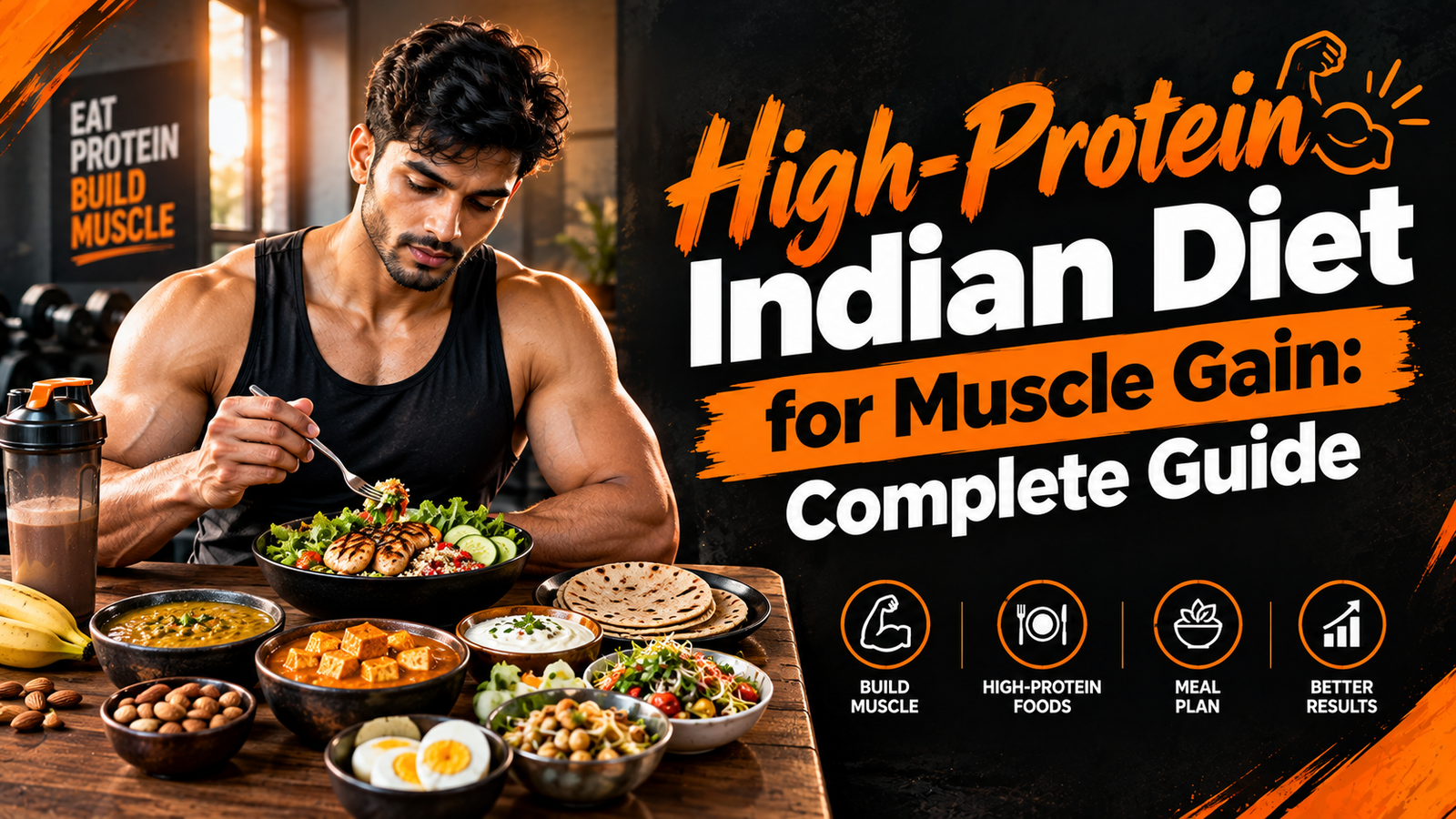
High-Protein Indian Diet for Muscle Gain: A Complete Guide
Building muscle requires more than lifting weights. Your body also needs enough protein, energy, and essential nutrients to repair muscle tissue and support recovery after exercise.
A high-protein Indian diet for muscle gain can help you meet these nutritional needs using familiar foods such as dal, paneer, curd, milk, eggs, chicken, soybeans, and chickpeas.
Whether you are a vegetarian, a non-vegetarian, or someone who prefers a combination of both, Indian cuisine offers plenty of options for creating a balanced muscle-building diet.
The key is to choose protein-rich foods, eat enough total calories, follow a consistent strength-training routine, and give your body sufficient time to recover.
In this guide, you will learn which Indian foods contain protein, how much protein you may need, how to structure your meals, and how to build a practical diet that fits your lifestyle.
What Is a High-Protein Indian Diet for Muscle Gain?
A high-protein Indian diet for muscle gain is a meal plan that emphasizes protein-rich Indian foods while providing enough calories, carbohydrates, healthy fats, vitamins, and minerals to support muscle development.
Protein supplies amino acids that your body uses to repair and build muscle tissue. When combined with resistance training, adequate protein intake supports the process of muscle protein synthesis.
An Indian muscle-building diet can include:
- All Tools
- BMI calculator
- Body fat calculator
- One rep max calculator
- 28 Day Abs Starter
- Leg Raises
- Mountain Climbers
- Dal, rajma, and chana
- Paneer, milk, curd, and Greek yogurt
- Soybeans, tofu, and other soy products
- Eggs and chicken
- Fish and other seafood
- Whole grains such as oats, rice, and whole-wheat roti
- Nuts and seeds
The best combination depends on your dietary preferences, budget, food availability, and nutritional requirements.
Why Is Protein Important for Muscle Growth?
Protein is essential for maintaining and repairing body tissues, including skeletal muscles.
During strength training, your muscles experience stress that stimulates adaptation. Consuming adequate protein provides the amino acids needed to support muscle repair and growth.
However, protein alone does not guarantee muscle gain.
You also need:
- Progressive strength training: Gradually challenging your muscles through an appropriate exercise program.
- Adequate calories: Providing enough energy to support training, recovery, and your body's daily needs.
- Carbohydrates: Supplying energy for workouts and everyday activities.
- Healthy fats: Supporting normal body functions and helping you absorb fat-soluble vitamins.
- Recovery: Getting sufficient sleep and allowing your muscles time to recover between demanding sessions.
A balanced approach is generally more sustainable than focusing only on protein intake.
How Much Protein Do You Need to Build Muscle?
Your daily protein requirement depends on your body weight, activity level, training routine, age, and overall health.
For many healthy adults who regularly perform resistance training, a daily intake of approximately 1.4–2.0 grams of protein per kilogram of body weight is commonly used as a practical range to support muscle development.
Individual needs can vary, and consuming more protein does not automatically produce greater muscle growth.
Protein Intake Based on Body Weight
The following table illustrates how the general range translates into daily protein targets.
| Body Weight | Approximate Daily Protein Range |
|---|---|
| 50 kg | 70–100 g |
| 55 kg | 77–110 g |
| 60 kg | 84–120 g |
| 65 kg | 91–130 g |
| 70 kg | 98–140 g |
| 75 kg | 105–150 g |
| 80 kg | 112–160 g |
| 85 kg | 119–170 g |
| 90 kg | 126–180 g |
These figures are illustrative estimates, not individualized prescriptions. People with certain medical conditions, particularly kidney disease, may need different protein targets and should seek guidance from a qualified healthcare professional.
How Should You Divide Protein Across Meals?
Instead of trying to consume most of your protein in one meal, consider spreading it across several meals and snacks.
For example, someone aiming for approximately 120 grams of protein per day might distribute it like this:
| Meal | Illustrative Protein Target |
|---|---|
| Breakfast | 25 g |
| Mid-morning snack | 15 g |
| Lunch | 30 g |
| Evening snack | 20 g |
| Dinner | 30 g |
| Total | 120 g |
This is only an example. Your actual meal pattern can vary depending on your appetite, schedule, and nutritional needs.
The goal is to make your daily protein intake manageable and consistent.
Best High-Protein Indian Foods for Muscle Gain
Indian cuisine includes a wide variety of protein-rich foods suitable for different dietary preferences.
Some foods provide protein alongside carbohydrates, while others offer more concentrated sources of protein.
Understanding these differences can help you create meals that support your fitness goals.
1. Dairy Products: Paneer, Milk, and Curd
Dairy products are convenient sources of protein for people who include milk-based foods in their diet.
They also provide nutrients such as calcium and vitamin B12, although the exact nutritional content depends on the product.
Paneer
Paneer is a popular ingredient in Indian cooking and can be included in meals such as paneer bhurji, palak paneer, and paneer tikka.
It provides protein and fat, with the exact amount depending on the recipe and whether the paneer is made from full-fat or reduced-fat milk.
Ways to include paneer:
- Paneer bhurji with whole-wheat roti
- Grilled paneer with vegetables
- Paneer curry with rice
- Paneer-stuffed paratha paired with curd
Milk
Milk provides protein in the form of whey and casein, along with carbohydrates, fat, and other nutrients.
It can be consumed with breakfast, alongside a snack, or after exercise as part of a balanced meal.
Curd and Greek Yogurt
Curd is a familiar part of many Indian meals and can contribute to daily protein intake.
Greek yogurt and other strained yogurts generally contain more protein per serving than regular curd because some of the liquid is removed during processing.
Easy meal ideas:
- Curd with oats and fruit
- Greek yogurt with nuts and seeds
- Vegetable raita alongside lunch
- Plain curd with a balanced dinner
Choose products according to your nutritional needs and tolerance.
2. Dal, Rajma, and Chana
Legumes are important sources of plant-based protein in Indian diets.
They also provide carbohydrates, fiber, and various minerals.
Common options include:
| Food | Common Indian Preparations |
|---|---|
| Moong dal | Moong dal khichdi, moong dal chilla |
| Masoor dal | Masoor dal curry |
| Toor dal | Dal tadka, sambar |
| Chana | Chana masala, boiled chana salad |
| Rajma | Rajma curry with rice |
| Kala chana | Kala chana chaat, kala chana curry |
| Chickpeas | Chole, hummus, chickpea salad |
Legumes are nutritious, but their protein content per serving is generally lower than that of many concentrated protein sources.
For a higher-protein meal, combine legumes with other foods such as curd, paneer, tofu, or soy products.
How to Make Dal More Protein-Rich
You can increase the protein content of a dal-based meal by:
- Serving dal with curd or Greek yogurt.
- Adding soy chunks to suitable curries.
- Pairing dal with paneer or tofu.
- Including a chickpea or bean salad alongside the meal.
- Choosing a thicker dal preparation when appropriate.
These combinations can make it easier to reach your daily protein target without relying on a single food.
3. Soybeans, Tofu, and Soy Chunks
Soy-based foods are useful protein sources, particularly for vegetarians and vegans.
Soy contains all nine essential amino acids, making it a complete protein source.
Soy Chunks
Soy chunks are widely available in India and can be used in curries, pulao, stir-fries, and other dishes.
They are particularly useful because dried soy chunks contain a concentrated amount of protein by weight.
Keep in mind that the protein content per 100 grams changes substantially after soaking and cooking because the chunks absorb water.
Tofu
Tofu is made from soybeans and can be used in place of paneer in many recipes.
Popular options include:
- Tofu bhurji
- Tofu tikka
- Tofu stir-fry
- Tofu curry
- Tofu and vegetable wraps
The protein content varies by firmness and brand, so check the product label when tracking your intake.
Soybeans
Whole soybeans can be added to salads, curries, and other meals.
They provide protein, fiber, and fats, making them a versatile ingredient in a plant-based diet.
4. Eggs: An Easy Protein Source
Eggs are a convenient protein source for people who eat animal products.
They contain essential amino acids and can be prepared in several ways.
Common options include:
- Boiled eggs
- Vegetable omelettes
- Egg bhurji
- Egg curry
- Egg sandwiches made with whole-wheat bread
Whole eggs provide protein along with fat and other nutrients. Egg whites provide protein with very little fat.
The number of eggs you choose should fit your overall diet and individual health needs.
5. Chicken and Fish
Chicken and fish are concentrated sources of protein that can help people meet higher daily protein targets.
They can be included in a variety of Indian dishes without requiring complicated meal preparation.
Chicken
Common high-protein meal options include:
- Grilled chicken with roti and vegetables
- Chicken curry with rice
- Chicken tikka with salad
- Homemade chicken soup with additional protein-rich ingredients
- Chicken wraps made with whole-wheat roti
Cooking methods matter. Grilling, baking, steaming, and preparing curries with moderate amounts of oil can help keep meals balanced.
Fish
Fish provides protein, and some varieties also contain omega-3 fatty acids.
Indian meal options include:
- Grilled fish with rice
- Fish curry with roti
- Baked fish with vegetables
- Homemade fish tikka
Choose fish according to availability, affordability, dietary preferences, and food-safety considerations.
6. Nuts and Seeds
Nuts and seeds contribute protein, healthy fats, fiber, and several micronutrients.
Common options include:
- Peanuts
- Almonds
- Pumpkin seeds
- Chia seeds
- Sesame seeds
- Sunflower seeds
They are useful additions to snacks and meals, but they are relatively calorie-dense.
If your main goal is to increase protein intake without adding too many calories, consider combining moderate portions of nuts and seeds with more concentrated protein sources such as curd, tofu, eggs, or soy products.
7. Whole Grains and Other Supporting Foods
Foods such as oats, whole-wheat roti, brown rice, and other whole grains contribute carbohydrates and some protein.
Carbohydrates are important because they provide energy for exercise and everyday activities.
A muscle-building diet does not need to eliminate rice or roti.
Instead, combine these foods with protein-rich ingredients and vegetables to create balanced meals.
For example:
- Dal with rice and curd
- Paneer with roti and vegetables
- Rajma with rice and salad
- Eggs with whole-wheat toast
- Tofu with rice and mixed vegetables
These combinations can help you meet your energy and nutrient needs while keeping meals familiar and practical.
Quick Comparison of High-Protein Indian Foods
The following table provides approximate protein values for common foods. Actual values vary by brand, recipe, preparation method, and serving size.
| Food | Approximate Protein |
|---|---|
| Milk, 250 ml | 8 g |
| Plain curd, 200 g | 7–10 g |
| Paneer, 100 g | 15–20 g |
| Firm tofu, 100 g | 10–15 g |
| Cooked dal, 1 cup | 7–10 g |
| Cooked chickpeas, 100 g | 8–9 g |
| Cooked rajma, 100 g | 8–9 g |
| Eggs, 2 large | 12–13 g |
| Cooked chicken breast, 100 g | 29–31 g |
| Cooked fish, 100 g | 20–26 g |
| Dry soy chunks, 50 g | Approximately 25 g |
| Peanuts, 30 g | 7–8 g |
These values are general estimates, not exact nutrition-label figures. For packaged foods, use the nutritional information provided by the manufacturer.
High-Protein Indian Diet Plan for Muscle Gain
Creating a high-protein Indian diet for muscle gain becomes easier when you plan your meals around protein-rich foods, balanced carbohydrates, and healthy fats.
You do not need expensive ingredients or complicated recipes to support muscle growth. Everyday Indian foods such as dal, paneer, curd, eggs, chicken, soy chunks, and rice can form the foundation of a practical meal plan.
The right diet depends on your body weight, training schedule, dietary preferences, and energy needs.
Below are sample meal plans for vegetarian and non-vegetarian diets.
1. Vegetarian High-Protein Indian Diet Plan
A vegetarian muscle-building diet can provide sufficient protein when it includes a variety of protein-rich foods throughout the day.
Dairy products, soy foods, legumes, and other plant-based ingredients can help you meet your daily protein target.
Sample Vegetarian Meal Plan
| Meal | Food Options | Approximate Protein |
|---|---|---|
| Early morning | Milk, 250 ml | 8 g |
| Breakfast | Paneer bhurji with 2 whole-wheat rotis | 20–25 g |
| Mid-morning snack | Greek yogurt, 200 g | 15–20 g |
| Lunch | Dal, rice, curd, and vegetables | 20–25 g |
| Evening snack | Roasted chana and milk | 15–18 g |
| Dinner | Soy chunk curry with roti and vegetables | 25–30 g |
Estimated daily protein: Approximately 103–126 g.
These figures are illustrative estimates. Actual protein intake depends on serving sizes, recipes, and the specific products used.
Vegetarian Meal Alternatives
You can replace meals with other protein-rich combinations to avoid eating the same foods every day.
| Meal | Alternative |
|---|---|
| Breakfast | Moong dal chilla with curd |
| Lunch | Rajma with rice and Greek yogurt |
| Evening snack | Paneer cubes with fruit |
| Dinner | Tofu curry with roti |
| Post-workout meal | Milk with a balanced snack |
For a vegan diet, replace dairy products with suitable fortified plant-based alternatives and use tofu, soybeans, lentils, and other plant proteins.
2. Non-Vegetarian High-Protein Indian Diet Plan
A non-vegetarian diet can include eggs, chicken, fish, and dairy products alongside plant-based protein sources.
These foods can make it easier to consume larger amounts of protein without relying exclusively on legumes.
Sample Non-Vegetarian Meal Plan
| Meal | Food Options | Approximate Protein |
|---|---|---|
| Breakfast | 3 eggs with whole-wheat toast and milk | 26–30 g |
| Mid-morning snack | Plain Greek yogurt, 200 g | 15–20 g |
| Lunch | Chicken curry, rice, and vegetables | 30–35 g |
| Evening snack | Roasted chana and milk | 15–18 g |
| Dinner | Fish curry, roti, and vegetables | 25–30 g |
Estimated daily protein: Approximately 111–133 g.
This is an example rather than a personalized prescription. Adjust portion sizes to your body weight, activity level, and nutritional needs.
Non-Vegetarian Meal Alternatives
| Meal | Alternative |
|---|---|
| Breakfast | Egg bhurji with whole-wheat roti |
| Lunch | Grilled chicken with rice and vegetables |
| Evening snack | Boiled eggs with fruit |
| Dinner | Fish tikka with roti and salad |
| Post-workout meal | Milk, eggs, or a balanced chicken meal |
You can also include vegetarian meals during the week to add variety and increase your intake of legumes and vegetables.
3. Indian High-Protein Diet Plan for Different Fitness Goals
Not everyone who wants to build muscle has the same nutritional needs.
Your diet should reflect your training goals, current body composition, and energy requirements.
For Beginners
If you are new to strength training, focus on building consistent eating and exercise habits.
Your priorities should include:
- Eating enough protein throughout the day.
- Including carbohydrates to support workouts.
- Consuming a balanced variety of foods.
- Learning proper exercise technique.
- Getting sufficient sleep and recovery.
You do not need an overly complicated diet to begin making progress.
For Lean Muscle Gain
People aiming to gain muscle while limiting unnecessary fat gain often benefit from a gradual approach.
Consider:
- Eating enough protein to support muscle development.
- Consuming sufficient calories to fuel training.
- Including rice, roti, oats, and other carbohydrate sources.
- Choosing nutrient-rich foods most of the time.
- Monitoring changes in strength, body weight, and recovery.
A modest calorie surplus may help support muscle gain, although the appropriate amount varies between individuals.
For Muscle Gain on a Budget
A limited food budget does not prevent you from building a protein-rich diet.
Affordable ingredients such as dal, soy chunks, eggs, milk, roasted chana, and seasonal foods can help you meet your nutritional needs.
Plan meals around foods that are accessible and affordable in your area.
How Many Calories Do You Need for Muscle Gain?
Protein is important, but total energy intake also plays a role in muscle development.
If you consistently consume fewer calories than your body needs, gaining muscle may be more difficult, particularly if you are already lean and training regularly.
A calorie surplus means consuming more energy than your body uses.
For some people, a small surplus can support gradual muscle gain. Others, particularly beginners or people returning to training, may build muscle without deliberately eating substantially more calories.
How to Estimate Your Calorie Needs
Your daily calorie needs depend on factors such as:
- Age
- Body weight
- Height
- Sex
- Daily movement
- Exercise frequency
- Training intensity
- Individual metabolism
A practical approach is to monitor your usual food intake and body-weight trend over time.
If your goal is to gain weight, a gradual increase in food intake may be appropriate.
Avoid making large changes based on a single day's weight measurement because body weight naturally fluctuates.
Foods That Can Help Increase Calories
If you struggle to eat enough, consider adding energy-dense foods to balanced meals.
Examples include:
- Rice and whole-wheat roti
- Milk and curd
- Nuts and seeds
- Peanut butter
- Paneer
- Potatoes
- Oats
- Healthy oils in moderate amounts
Combine these foods with protein sources rather than relying on calorie-dense foods alone.
Best Time to Eat Protein for Muscle Gain
Total daily protein intake is generally more important than following a strict protein-timing schedule.
However, distributing protein across meals can make it easier to meet your daily target.
Before a Workout
A balanced meal containing carbohydrates and protein can help support training.
Examples include:
- Banana with milk
- Curd with oats
- Paneer sandwich
- Eggs with whole-wheat toast
- A small serving of rice with dal
Choose a meal size and timing that feels comfortable for your digestion.
After a Workout
Eating a protein-rich meal after exercise can support muscle recovery.
You do not need to consume protein immediately after your last repetition.
A regular meal containing protein and carbohydrates within a reasonable period after training is a practical option.
Examples include:
- Paneer with roti
- Chicken with rice
- Eggs with whole-wheat bread
- Tofu with vegetables and rice
- Milk with a balanced meal
If you have eaten a protein-rich meal before training, there is generally no need to rush into another meal immediately afterward.
Budget-Friendly High-Protein Indian Foods
You can build a protein-rich diet using affordable ingredients commonly available in Indian grocery stores.
The most suitable choices depend on local prices, portion sizes, and your dietary preferences.
| Food | Why It Can Be Useful | Simple Meal Idea |
|---|---|---|
| Soy chunks | Concentrated plant protein | Soy chunk curry |
| Dal | Protein, carbohydrates, and fiber | Dal with rice |
| Roasted chana | Convenient snack | Roasted chana with fruit |
| Eggs | Convenient animal protein | Egg bhurji |
| Milk | Protein and calcium | Milk with breakfast |
| Curd | Protein and other nutrients | Curd with lunch |
| Peanuts | Protein and healthy fats | Peanut chaat |
| Chickpeas | Plant protein and fiber | Chana salad |
| Tofu | Plant-based protein | Tofu stir-fry |
| Seasonal legumes | Versatile and nutritious | Bean curry |
Tips for Keeping Food Costs Manageable
1. Plan meals around staple ingredients. Rice, roti, dal, and seasonal vegetables can provide the foundation of many meals.
2. Buy ingredients in practical quantities. Choose quantities that fit your household size and storage options.
3. Prepare food in batches. Cooking dal, beans, or soy-based dishes ahead of time can reduce daily preparation work.
4. Compare protein content and price. Check food labels and compare the cost of different protein sources.
5. Use leftovers safely. Refrigerate cooked food promptly and follow appropriate food-safety practices.
High-Protein Indian Snacks for Muscle Gain
Snacks can help you distribute protein throughout the day, especially when your main meals are relatively small.
Choose snacks that fit your hunger, schedule, and daily nutritional needs.
Protein-Rich Snack Ideas
| Snack | Main Protein Source |
|---|---|
| Roasted chana | Chickpeas |
| Boiled eggs | Eggs |
| Paneer cubes | Paneer |
| Greek yogurt | Dairy |
| Milk | Dairy |
| Sprouted moong chaat | Legumes |
| Tofu cubes | Soy |
| Peanut chaat | Peanuts |
| Besan chilla | Chickpea flour |
| Soybean salad | Soybeans |
You can pair these snacks with fruit, vegetables, or whole grains to create more balanced options.
Common Mistakes to Avoid in a Muscle-Gain Diet
Even a protein-rich diet may not support your goals if it is poorly balanced or difficult to maintain.
Here are some common mistakes to watch for.
1. Focusing Only on Protein
Protein is important, but it is not the only nutrient your body needs.
A diet that lacks sufficient carbohydrates, fats, vitamins, and minerals may make it harder to maintain energy and recover from training.
Better approach: Build meals that include protein, carbohydrates, healthy fats, and vegetables.
2. Eating Too Little Overall
Consistently eating too little can limit your energy for exercise and recovery.
Better approach: Make sure your meals provide enough energy for your activity level and goals.
3. Depending on Only One Protein Source
Eating the same protein-rich food every day can make your diet less varied.
Better approach: Rotate between dairy, legumes, soy products, eggs, chicken, fish, and other suitable foods.
4. Ignoring Portion Sizes
A meal may appear high in protein but still provide less than you expect.
Better approach: Learn approximate serving sizes and check nutrition labels when available.
5. Skipping Meals Because of a Busy Schedule
Irregular eating can make it harder to meet your daily protein and energy needs.
Better approach: Keep convenient foods such as curd, milk, roasted chana, or boiled eggs available when practical.
6. Expecting Instant Results
Muscle development takes time and depends on training, nutrition, recovery, and individual factors.
Better approach: Focus on consistent habits and monitor progress over several weeks and months.
7. Ignoring Recovery
Training hard without sufficient recovery can affect performance and increase the risk of overuse injuries.
Better approach: Include rest days as needed, get adequate sleep, and adjust training when fatigue accumulates.
Practical Tips for Following a High-Protein Indian Diet
A sustainable diet is one that fits your routine and preferences.
Use these practical strategies to make your meal plan easier to follow.
1. Include Protein in Every Main Meal
Try to include at least one meaningful protein source at breakfast, lunch, and dinner.
Examples include:
- Breakfast: Eggs, paneer, curd, or tofu.
- Lunch: Dal, rajma, chicken, or fish.
- Dinner: Paneer, soy chunks, tofu, eggs, or chicken.
2. Prepare Meals in Advance
Meal preparation can help reduce the effort required to follow a consistent eating routine.
You can prepare ingredients such as boiled chickpeas, cooked dal, chopped vegetables, and marinated paneer ahead of time.
Store food safely and refrigerate perishable ingredients promptly.
3. Keep Convenient Protein Sources Available
Busy schedules can make meal planning difficult.
Convenient options include:
- Milk
- Plain curd
- Roasted chana
- Boiled eggs
- Paneer
- Tofu
- Nuts and seeds
Choose foods that fit your dietary needs and storage conditions.
4. Track Your Intake When Necessary
Tracking protein intake can help you understand whether your meals are meeting your goals.
You can use a food diary, nutrition app, or simple meal checklist.
However, detailed tracking is not essential for everyone. If tracking creates stress or becomes difficult to maintain, a consistent meal structure may be more practical.
5. Adjust Your Diet Gradually
Your nutritional needs may change as your training routine and body weight change.
Review your meals periodically and make gradual adjustments based on your progress, appetite, and recovery.
If you have a medical condition or require a specialized diet, seek guidance from a qualified healthcare professional or registered dietitian.
Vegetarian vs. Non-Vegetarian Diet for Muscle Gain
Both vegetarian and non-vegetarian diets can support muscle development when they provide adequate protein, energy, and essential nutrients.
The main differences involve food choices, protein concentration, meal planning, and individual preferences.
| Factor | Vegetarian Diet | Non-Vegetarian Diet |
|---|---|---|
| Main protein sources | Dairy, soy, legumes, and nuts | Eggs, chicken, fish, dairy, and legumes |
| Protein variety | Requires a mix of plant and dairy sources | Includes a wider range of animal-based options |
| Meal planning | May require more attention to protein portions | Concentrated protein sources may simplify planning |
| Fiber intake | Often higher when rich in legumes and vegetables | Depends on the amount of plant foods included |
| Suitability | Depends on personal preferences and nutritional needs | Depends on personal preferences and nutritional needs |
Neither approach automatically guarantees better muscle growth.
The most appropriate diet is one that meets your nutritional needs and fits your lifestyle.
How Long Does It Take to See Muscle-Gain Results?
Muscle gain is a gradual process.
The time required to notice changes depends on factors such as training experience, workout quality, nutrition, sleep, genetics, and consistency.
Some people notice improvements in strength or exercise performance before visible changes in muscle size.
Changes in body weight alone do not necessarily indicate muscle gain because weight can also change due to water, glycogen, fat, and other factors.
Ways to Monitor Progress
You can track progress through:
- Workout performance
- Strength improvements
- Changes in exercise technique
- Body-weight trends
- Measurements, if useful
- How your clothes fit
- Energy levels and recovery
Use several indicators rather than relying on a single measurement.
Final Practical Checklist for Your Muscle-Gain Diet
Before starting your high-protein Indian diet, review the following points:
- Identify your fitness goal.
- Estimate your daily protein needs.
- Choose protein sources that fit your dietary preferences.
- Plan balanced meals around familiar Indian foods.
- Include sufficient carbohydrates and healthy fats.
- Eat enough total calories for your needs.
- Follow a consistent strength-training routine.
- Get sufficient sleep and recovery.
- Track progress in a way that feels manageable.
- Adjust your meal plan as your needs change.
A well-planned Indian diet can make muscle-building nutrition practical, affordable, and enjoyable.
Conclusion: Build Muscle with a Balanced High-Protein Indian Diet
A high-protein Indian diet for muscle gain can help you support muscle development while enjoying familiar, nutritious, and satisfying meals.
Whether you prefer vegetarian foods or include eggs, chicken, and fish in your diet, Indian cuisine offers plenty of protein-rich options.
Foods such as paneer, dal, curd, soy chunks, eggs, chicken, and fish can help you meet your daily protein needs.
However, muscle growth depends on more than protein alone. You also need sufficient calories, balanced nutrition, consistent strength training, and adequate recovery.
The most effective approach is to create a meal plan that fits your lifestyle, budget, food preferences, and fitness goals.
You do not need expensive supplements or complicated recipes to get started. Simple, balanced meals prepared with everyday ingredients can help you build sustainable habits.
Start with realistic goals, stay consistent with your nutrition and training, and adjust your diet as your needs change.
Key Takeaways
- A high-protein Indian diet can support muscle growth when combined with resistance training.
- Many Indian foods, including paneer, dal, curd, soy chunks, eggs, and chicken, provide protein.
- A daily protein intake of approximately 1.4–2.0 grams per kilogram of body weight is a commonly used range for many healthy adults who regularly train.
- Vegetarian and non-vegetarian diets can both support muscle development.
- Protein should be combined with sufficient calories, carbohydrates, healthy fats, and other essential nutrients.
- Distributing protein across meals can make daily intake easier to manage.
- Affordable foods such as dal, soy chunks, eggs, milk, and roasted chana can help keep costs manageable.
- Strength training, sleep, and recovery are important parts of a muscle-building routine.
- Consistency matters more than following a complicated diet.
- People with medical conditions or special nutritional needs should seek professional guidance.
Call to Action: Start Your Muscle-Gain Diet Today
Ready to build a practical diet around your fitness goals?
Start by choosing a few protein-rich Indian foods you enjoy, planning balanced meals, and following a consistent strength-training routine.
Whether you prefer paneer, dal, soy chunks, eggs, chicken, or fish, the key is to find a sustainable approach that works for you.
Build your meal plan, stay consistent, and make your fitness journey a lasting habit.
Frequently Asked Questions
1. What is the best high-protein Indian diet for muscle gain?
A high-protein Indian diet for muscle gain includes protein-rich foods such as paneer, milk, curd, dal, soy chunks, eggs, chicken, and fish. Combine these foods with carbohydrates, healthy fats, vegetables, and sufficient calories to support training and recovery.
2. How much protein do I need daily to build muscle?
Many healthy adults who regularly perform resistance training use a daily protein range of approximately 1.4–2.0 grams per kilogram of body weight. Your individual needs depend on factors such as body weight, training routine, age, and health status.
3. Can vegetarians build muscle with an Indian diet?
Yes. Vegetarians can support muscle development with foods such as paneer, milk, curd, tofu, soy chunks, lentils, chickpeas, and beans. Eating a variety of protein sources can help meet daily protein and nutritional needs.
4. Which Indian foods are highest in protein?
Concentrated protein sources include soy chunks, chicken, fish, paneer, tofu, eggs, and dairy products such as Greek yogurt. Dal, chickpeas, rajma, and other legumes also contribute protein along with fiber and carbohydrates.
5. Is dal enough protein for muscle gain?
Dal provides protein, carbohydrates, fiber, and other nutrients. However, a typical serving may not provide enough protein to meet an entire meal's protein target. Pairing dal with foods such as curd, paneer, tofu, or soy products can increase the protein content of a meal.
6. Can I gain muscle without protein powder?
Yes. Protein powder is not essential for muscle growth. You can meet your protein needs through foods such as paneer, curd, milk, soy chunks, eggs, chicken, fish, and legumes. Supplements may be convenient for some people but are optional.
7. What should I eat before a workout for muscle gain?
A balanced pre-workout meal can include carbohydrates and protein. Examples include a banana with milk, curd with oats, paneer with roti, or eggs with whole-wheat toast. Choose a meal size and timing that feels comfortable for your digestion.
8. What should I eat after a workout to build muscle?
After a workout, choose a meal containing protein and carbohydrates. Examples include paneer with roti, chicken with rice, eggs with whole-wheat bread, or tofu with vegetables and rice. Your overall daily nutrition matters more than consuming a meal immediately after exercise.
9. Can I build muscle on a low-budget Indian diet?
Yes. Affordable foods such as dal, soy chunks, eggs, milk, curd, roasted chana, and seasonal legumes can help you build a protein-rich diet. Plan balanced meals around accessible ingredients and adjust portions to your nutritional needs.
10. How long does it take to gain muscle with a high-protein diet?
Muscle gain is gradual and varies depending on training experience, nutrition, recovery, genetics, and consistency. Some people notice improvements in strength before visible changes in muscle size. A balanced diet and consistent resistance training can support long-term progress.
Stop reading, start moving
Reading about training is the easy part. Fifteen minutes today beats a fortnight of research - and all of it is free.
Start Free