Why Am I Not Losing Weight Even Though I Exercise?
Exercising but not losing weight? Learn common reasons the scale may not change, how to review your routine, and when to seek professional advice.
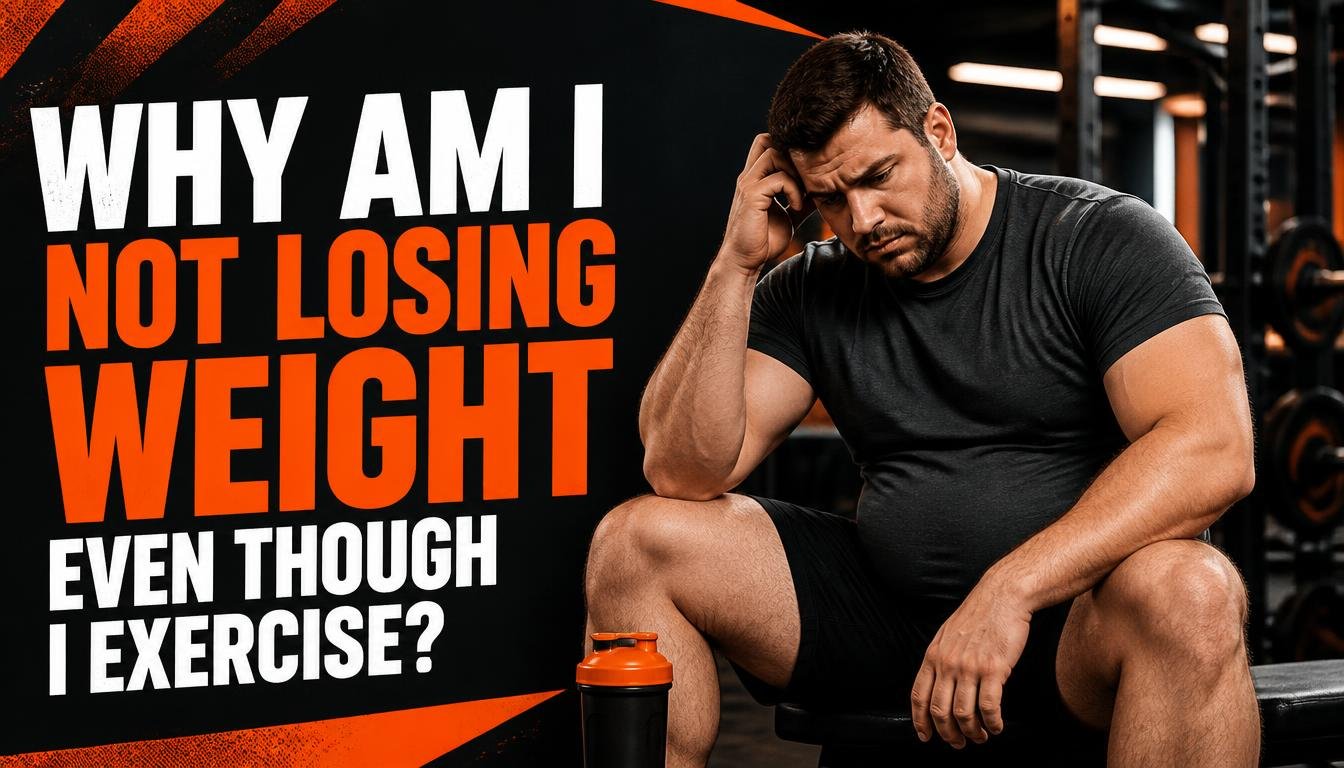
Why Am I Not Losing Weight Even Though I Exercise?
You’ve started exercising, you’re making an effort, and yet the number on the scale barely moves. It can feel frustrating—especially when you expected your workouts to lead to visible weight loss.
If you’re wondering, “Why am I not losing weight even though I exercise?”, the answer may be more complicated than simply needing to work harder. Exercise supports health and can contribute to weight management, but scale weight is also influenced by food intake, water retention, muscle changes, everyday movement, sleep, medications, and health conditions.
A slow or unchanged scale does not automatically mean your workouts are pointless. Before adding more exercise or cutting food drastically, it helps to understand what may be happening and review your progress over time.
This guide explains common reasons weight may not change despite exercise, practical ways to assess your routine, and signs that it may be worth speaking with a healthcare professional.
First: What Does “Not Losing Weight” Mean?
A few days—or even a short stretch—without a lower scale reading does not necessarily mean you have reached a true plateau. Body weight naturally fluctuates, and short-term changes can hide longer-term patterns.
It helps to distinguish between three situations:
- The scale has not changed for a few days: This may reflect ordinary fluctuations rather than a meaningful trend.
- Your weight trend has stayed similar for several weeks: It may be useful to review your habits and measurements.
- Your weight is stable, but your fitness is improving: You may still be making progress in strength, stamina, or consistency.
Weight is only one measure of progress. How you feel, how comfortably you move, and whether your routine is becoming easier can also matter.
1. Exercise Does Not Automatically Create a Calorie Deficit
One common reason people do not lose weight is that exercise alone may not create an energy deficit. Weight loss generally requires using more energy than you take in over time.
A workout uses energy, but the amount varies with your body size, exercise type, duration, intensity, and individual differences. It can also be easy to eat more than expected after exercising, sometimes without noticing.
This does not mean you need to count every calorie or follow a strict diet. It means that exercise and eating habits work together in weight management.
What to review
Consider your overall routine rather than focusing on one workout:
- Free Tools
- Are meals and snacks satisfying enough to support your day?
- Have your portions or eating patterns changed since you began exercising?
- Are drinks, sauces, snacks, or restaurant meals relevant to your usual habits?
- Are you using a fitness tracker’s calorie estimate as if it were exact?
Calorie and activity estimates are approximations. Avoid assuming that a workout burns a precise amount or that you must “earn” food through exercise.
2. You May Be Eating Back More Energy Than You Realize
Exercise can increase appetite for some people. After a demanding session, it may feel natural to have a larger meal or extra snacks. That is not a failure; it is simply one possible reason the overall energy balance may not change as expected.
The answer is not to ignore hunger or restrict food aggressively. Instead, notice whether your eating pattern has shifted and consider whether meals are balanced and satisfying.
Practical ideas
- Plan a meal or snack that suits your hunger and schedule.
- Include foods that help you feel satisfied, such as protein-rich and fibre-rich choices.
- Pay attention to portions without treating them as a moral issue.
- Avoid relying on exercise-calorie numbers to decide exactly how much to eat.
If tracking food makes you anxious or encourages restrictive behaviour, step back from tracking and consider support from a qualified professional.
3. Water Retention Can Hide Changes on the Scale
Scale weight includes more than body fat. Water levels can change from day to day, and these changes can temporarily mask a longer-term trend.
For example, a new or more challenging workout may leave your muscles feeling sore. Your body’s recovery process can be accompanied by temporary fluid changes. Other influences—such as salt intake, carbohydrate intake, hormonal changes, and digestion—can also affect short-term scale readings.
This is one reason a single weigh-in is not a reliable way to judge whether your routine is working.
What to do
If weighing yourself is comfortable for you, use consistent conditions and look at the trend over time rather than reacting to individual readings. You can also monitor progress through walking time, workout consistency, stamina, or strength.
Do not respond to a temporary increase by suddenly cutting food or adding punishing exercise.
4. You May Be Building Strength While Your Weight Stays Similar
If your exercise routine includes strength training, your body may be adapting in ways the scale does not show clearly. You may become stronger, improve your movement, or notice changes in how clothes fit even if your weight is relatively stable.
This does not mean every unchanged scale reading is caused by muscle gain. Body composition is difficult to infer from weight alone, and changes vary from person to person.
Look beyond the scale
Useful measures may include:
- Whether everyday activities feel easier
- Whether you can perform exercises with better control
- Changes in strength or stamina
- How consistently you are following your routine
- Clothing fit, if that is a comfortable measure for you
You do not need to track every measure. Choose a few that help you understand your own progress without creating stress.
5. Your Everyday Movement May Have Changed
A workout is only one part of your daily activity. Some people find that after a demanding session they sit more, take fewer steps, or feel less inclined to move for the rest of the day.
If that happens, the extra activity from the workout may be partly offset by less movement at other times. This is not always easy to notice, and it does not happen to everyone.
A simple check
Think about how active your whole day is:
- Do you take movement breaks during long periods of sitting?
- Has your daily walking changed since you started exercising?
- Are you feeling so tired after workouts that normal activities become harder?
If you notice a pattern, consider making your workouts more manageable and adding comfortable movement breaks. The goal is not to stay active every minute; it is to find a routine that supports your overall well-being.
6. Your Workout Routine May Need Time—or a Different Balance
It is common to expect quick results when starting a new exercise plan. But progress varies, and a short period without weight loss does not necessarily mean you need a more intense routine.
Your plan should match your current fitness, schedule, preferences, and recovery. A routine that is too demanding may be difficult to maintain, while a routine that never changes may eventually feel less challenging.
Review your routine calmly
Ask yourself:
- Have I been following this routine consistently?
- Does it include activities I can sustain?
- Am I allowing time to recover?
- Is the plan appropriate for my current fitness level?
If you decide to adjust, change one manageable element at a time—such as adding a little walking, improving consistency, or including suitable strength work. Avoid suddenly doubling your workout volume.
7. Sleep, Stress, and Recovery Can Affect Your Routine
Sleep and stress do not determine weight on their own, but they can affect energy, appetite, motivation, and how easy it feels to maintain healthy habits.
When you are tired or under pressure, you may find it harder to prepare meals, move throughout the day, or recover comfortably from exercise. That can make a routine more difficult to sustain.
Start with realistic improvements
- Keep a regular sleep schedule when possible.
- Choose a workout length that does not leave you consistently exhausted.
- Use rest days or easier sessions when needed.
- Look for simple ways to reduce avoidable stress.
You do not need a perfect lifestyle to make progress. Focus on changes that are practical for your circumstances.
8. Some Medicines or Health Conditions May Play a Role
Weight can be influenced by health conditions and certain medications. If your weight changes unexpectedly, you have new symptoms, or you are concerned that medication may be affecting you, speak with a healthcare professional.
Do not stop or change prescribed medication on your own. A clinician can help assess possible causes and discuss appropriate options.
What Comes Next
In Part 2, we’ll look at how to review your exercise and eating habits, interpret progress without overreacting to daily scale changes, avoid common mistakes, and decide what adjustments may be reasonable.
Start With a Calm Progress Review
If you have been exercising but your weight has not changed, pause before making your workouts harder or eating much less. First, review the bigger picture.
Ask yourself:
- How long has my weight trend been stable?
- Have I been able to follow my routine most weeks?
- Has my daily movement changed outside workouts?
- Have my eating habits, sleep, or stress levels changed?
- Am I noticing improvements in stamina, strength, or how I feel?
A few unchanged weigh-ins do not necessarily mean your plan has stopped working. Body weight fluctuates, so look for a longer-term pattern rather than reacting to one reading.
How to Track Weight Without Overreacting
If weighing yourself is comfortable and appropriate for you, use consistent conditions—for example, the same scale and a similar time of day. Consider reviewing the trend over several weeks instead of focusing on daily changes.
You can also track non-scale measures, such as:
- Walking duration or distance
- Workout consistency
- Strength or stamina
- How everyday activities feel
- Clothing fit, if that is a comfortable measure for you
You do not need to track everything. Choose measures that help you understand your progress without creating stress.
If weighing or tracking food makes you anxious or encourages restrictive behaviour, step back and consider support from a qualified professional.
Review Your Exercise Routine
Exercise supports health in many ways, but the best routine is one you can do consistently and recover from.
Check consistency before intensity
If workouts happen only occasionally because the plan is too demanding, a simpler routine may be more useful. Try choosing activities you enjoy and scheduling them at realistic times.
Include a mix of movement
Depending on your abilities and preferences, your routine may include:
- Walking or other aerobic activity
- Suitable strength exercises
- Everyday movement breaks
- Rest or easier days
You do not need to do every type of activity immediately. Build gradually and choose options that fit your health and fitness.
Avoid increasing everything at once
If you want to progress, adjust one element at a time. You might add a little walking, extend a session slightly, or make a familiar exercise more challenging in a controlled way.
If you feel persistently exhausted or have pain, reduce the workload and consider professional advice before increasing it.
Review Eating Habits Without Extreme Restriction
Because exercise does not guarantee a calorie deficit, it may help to notice whether your eating habits have changed. You do not have to count every calorie to do this.
Consider:
- Are meals satisfying, or do you often feel overly hungry later?
- Have portions or snack patterns changed?
- Are drinks or frequent extras contributing more than you realised?
- Are you eating differently on workout days?
- Is your current approach realistic for your budget, culture, and schedule?
If you choose to make a change, keep it modest and practical. For example, plan a satisfying snack, prepare a simple meal in advance, or adjust a habit you have identified as relevant.
Avoid skipping meals, severe restriction, or using exercise to “make up for” eating. If food tracking is distressing, do not force yourself to do it.
Understand Calorie and Fitness-Tracker Estimates
Fitness trackers and calorie calculators can provide useful rough information, but they are not exact measurements. Estimated calorie use can vary with body size, pace, duration, exercise type, and individual differences.
Use estimates as context—not as a precise allowance for food or proof that a workout created a specific deficit.
If you use a calorie calculator, remember that its result is an estimate and may not account for every factor affecting your needs. Avoid making drastic changes based on one number.
Common Mistakes That Can Make Progress Harder
1. Changing the Plan Every Few Days
Frequent changes make it difficult to understand what is helping. Choose a realistic approach and give yourself time to follow it before deciding whether it needs adjustment.
2. Doing More Exercise Than You Can Recover From
More is not automatically better. A routine that leaves you exhausted or causes persistent pain may be difficult to maintain. Include easier days and rest as needed.
3. Treating Every Scale Increase as Fat Gain
Short-term weight changes can reflect water, digestion, and other normal fluctuations. Avoid reacting to a single reading with drastic changes.
4. Assuming Exercise Calories Are Exact
Workout calorie estimates are approximate. Do not rely on them as precise measurements of energy use.
5. Expecting Fast, Linear Results
Progress is not always steady. Focus on repeatable habits and longer-term trends rather than expecting the scale to fall every week.
6. Comparing Your Results With Someone Else’s
People differ in health, body size, activity, medication use, and circumstances. Compare your current routine with your own starting point.
What If You Have Reached a Weight-Loss Plateau?
People often use “plateau” to describe a period when weight loss slows or stops. Before changing your plan, make sure you are looking at a sustained trend rather than a short-term fluctuation.
If the trend has remained similar for several weeks and you want to review your approach, consider:
- Check whether your routine is still realistic and consistent.
- Review changes in everyday movement.
- Notice whether eating patterns have shifted.
- Consider whether sleep, stress, or recovery is making the plan harder.
- Choose one small adjustment, then give it time.
Avoid responding by drastically cutting food or suddenly adding intense workouts. If you are unsure what is appropriate, a registered dietitian or healthcare professional can help you review your situation.
When to Speak With a Healthcare Professional
Consider professional advice if your weight changes unexpectedly, you have new or unexplained symptoms, you suspect medication may be affecting your weight, or your exercise plan is difficult to follow because of pain or fatigue.
Do not stop or change prescribed medication on your own. A clinician can help assess possible causes and discuss suitable next steps.
General weight-loss advice may not fit everyone, including people who are pregnant or recently gave birth, have chronic health conditions, are recovering from injury, or have a history of disordered eating.
Stop exercising and seek appropriate medical help for concerning symptoms such as chest pain, faintness, or unusual shortness of breath.
A Practical Two-Week Review Plan
This is a flexible way to observe your habits—not a promise of weight loss.
Week 1: Observe
- Follow a manageable exercise routine.
- Notice your everyday movement.
- Record walking minutes or workouts if useful.
- Pay attention to sleep, energy, and recovery.
- Avoid making drastic changes based on daily scale readings.
Week 2: Choose one adjustment
Review what you noticed. If your routine feels manageable, choose one small change that fits your goal—such as adding a short walk, planning a satisfying meal, or making workouts easier to follow.
Keep the change realistic. If you feel worse, experience pain, or find the plan too demanding, scale it back and seek advice when appropriate.
Keep the Bigger Picture in Mind
Exercise is valuable even when the scale does not change immediately. Improvements in stamina, strength, mood, or everyday function can matter independently of weight.
If weight loss remains your goal, focus on the overall pattern of habits and make measured adjustments. You do not need to punish yourself for a slow result, and you do not need to pursue an extreme plan.
MyWorkoutAI’s tools can help you organize fitness or calorie-planning information. Treat estimates as starting points, not exact instructions, and seek professional guidance when your health or circumstances call for it.
What Comes Next
Part 3 will bring the article together with a conclusion, key takeaways, 10 FAQs, FAQ Schema JSON-LD, and a publishing checklist.
Conclusion: Focus on the Habits You Can Sustain
Not losing weight despite exercising can feel frustrating, but it does not automatically mean your workouts are pointless. Exercise supports health, fitness, strength, and weight management—even when the scale is slow to change.
If weight loss is your goal, look at the whole picture: your food intake, everyday movement, workout consistency, sleep, recovery, and longer-term weight trend. Make small adjustments, give them time, and avoid reacting to every daily scale change.
Start with a realistic plan: choose activities you enjoy, build a sustainable eating routine, and track progress in a way that does not overwhelm you. If you want a starting point, explore the AI workout and calorie tools on MyWorkoutAI.in to help organize your routine. Treat any calorie estimates as estimates, not exact measurements.
If your weight changes unexpectedly, you have persistent symptoms, or you suspect a medication or medical condition is affecting your progress, speak with a qualified healthcare professional.
- Why am I not losing weight even though I exercise?
Exercise does not always create a calorie deficit. Food intake, reduced movement outside workouts, water retention, sleep, recovery, and some health conditions or medications can affect the scale. Review your longer-term trend and overall habits rather than judging progress by one weigh-in.
- Can I gain weight when I start exercising?
Yes. New or harder workouts can temporarily increase water retention as muscles recover. Strength training may also increase muscle over time. A short-term increase does not necessarily mean you gained body fat.
- Why do I look slimmer but weigh the same?
Your body composition may be changing. You may be losing some fat while gaining or maintaining muscle, or experiencing changes in water levels. Clothing fit, measurements, strength, and how you feel can provide context beyond scale weight.
- How long should I exercise before expecting weight loss?
There is no guaranteed timeline. Results depend on your starting point, routine, food intake, consistency, and other factors. Focus on sustainable habits and assess your trend over several weeks rather than expecting a specific result by a certain date.
- Can I eat more because I worked out?
You may feel hungrier after exercise, but workout calorie estimates can be imprecise. Avoid automatically eating back every calorie a tracker says you burned. Use hunger, recovery needs, and your overall goals to guide food choices.
- Should I do more cardio if my weight is stuck?
Not necessarily. More cardio is only one possible adjustment. Review food portions, everyday movement, workout consistency, sleep, and recovery first. Adding too much exercise can increase fatigue and make a routine harder to maintain.
- Can strength training help if the scale is not moving?
Yes. Strength training can improve strength and support muscle maintenance or growth. Those benefits may not show up as a lower scale number right away, so consider other progress indicators too.
- Why does my weight change from day to day?
Daily weight can fluctuate because of water balance, sodium and carbohydrate intake, digestion, hormones, and exercise-related inflammation. Weighing under similar conditions and looking at the trend can make the data easier to interpret.
- Could a medical condition or medication affect my weight?
Some medical conditions and medications can influence weight or make weight management more difficult. Do not stop or change prescribed medication on your own. Discuss unexpected changes or concerns with your healthcare professional.
- What should I do first if I have stopped losing weight?
Check whether your routine has been consistent, review your weight trend over several weeks, and consider whether food intake or everyday movement has changed. Make one manageable adjustment at a time. If the plateau persists or you have health concerns, seek qualified advice.
Stop reading, start moving
Reading about training is the easy part. Fifteen minutes today beats a fortnight of research - and all of it is free.
Start Free